Discover the best scanner food app for your diet. We review 12 top apps for nutrition, allergies, and heart health to help you make smarter choices in 2025.
Navigating grocery store aisles to make heart-healthy choices can feel overwhelming. Food labels are often complex, filled with confusing ingredients and nutritional data that can be difficult to interpret, especially when you're focused on managing specific metrics like sodium, saturated fats, and LDL cholesterol—the “bad” kind. A scanner food app simplifies this entire process, transforming your smartphone's camera into a powerful nutritional ally. By scanning a barcode or an ingredients list, these apps provide instant, detailed analysis, helping you understand precisely what's in your food and how it aligns with your health goals.
This comprehensive guide is designed to help you find the best scanner food app for your specific heart-health needs. We will move beyond generic feature lists to provide an in-depth analysis of the top applications available. You will find short, practical reviews, pros and cons for each app, and clear descriptions of their ideal user profiles. We'll delve into critical features such as scanning accuracy, the depth of nutrient breakdown, and the quality of heart-focused insights provided.
This resource will equip you to confidently select an app that integrates seamlessly into your health stack, empowering you to make informed decisions that support your cardiovascular wellness. Understanding the broader benefits of healthy eating, such as incorporating immune-boosting foods, further emphasizes the importance of these informed choices. Our goal is to cut through the noise and give you a clear, practical roadmap to using technology for a healthier heart.
Disclaimer: This article is for informational purposes only and is not a substitute for professional medical advice, diagnosis, or treatment. Always seek the advice of your physician or other qualified health provider with any questions you may have regarding a medical condition. Never disregard professional medical advice or delay in seeking it because of something you have read in this article.
HeartFit positions itself as a premier AI-powered habit coach, uniquely designed to bridge the gap between complex health data and daily, sustainable actions. It excels by translating bloodwork-based action plans into a manageable, gamified routine, making it an exceptional tool for anyone serious about improving their heart health through consistent lifestyle changes. Rather than just tracking nutrients, HeartFit focuses on the behavioral science of habit formation, a crucial component for long-term success.
This app stands out by directly integrating with personalized health reports from services like Function Health, Mito Health, and Superpower, or any plan provided by a healthcare professional. Users simply paste their plan, and the app’s AI prioritizes key foods and supplements, converting them into a series of simple, swipeable daily tasks. This approach directly addresses the common challenge of feeling overwhelmed by health advice. Its photo-based scanner food app capability is a cornerstone feature; snapping a picture of your meal yields an instant AI-generated score, providing immediate feedback on how that choice aligns with your specific heart health objectives.
The primary advantage of HeartFit lies in its structured 66-day habit-building system. This duration is based on behavioral science research, such as a study published in the European Journal of Social Psychology, which suggests it can take this long to form a new automatic habit. The gamified elements—points, streaks, and rewards—are engineered to maintain motivation, which is often where other tracking apps fall short.
While powerful, HeartFit is a behavioral tool, not a clinical diagnostic or treatment platform. It should be used to support, not replace, guidance from a qualified healthcare provider. Additionally, its availability seems focused on iOS, which may be a significant drawback for Android users.
User Insight: Testimonials frequently praise the app's compassionate, non-judgmental tone. The AI coach is programmed to offer supportive nudges after a setback rather than shaming messages, fostering a healthier relationship with food and habits.
HeartFit offers a highly accessible model. You can start with a 7-day free trial to explore its features. Afterward, it operates on a "pay-what-you-want" monthly subscription that can be canceled at any time, removing financial barriers for users committed to their health.
Learn More: https://www.heartfit.ai
Yuka is a widely recognized scanner food app designed for swift, on-the-spot product analysis in the grocery store. It simplifies complex nutritional labels into a single, color-coded health score from 0 to 100. By scanning a product's barcode, users get an instant rating that evaluates nutritional quality, the presence of questionable additives, and whether the product is organic. This approach makes it exceptionally easy to make quick, informed decisions without getting lost in detailed macro-tracking.
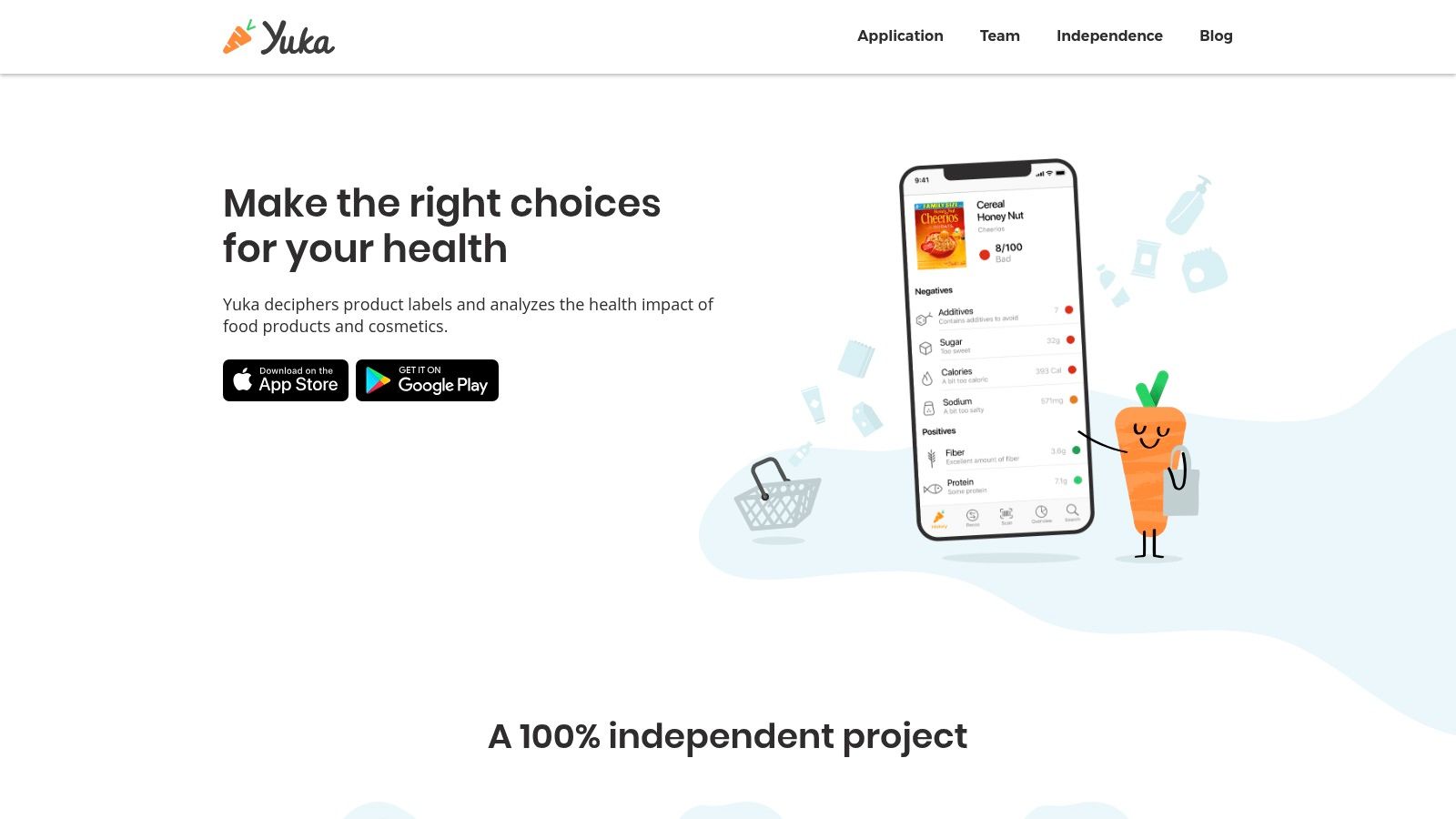
What sets Yuka apart is its independent funding model and dual focus on both food and cosmetics, ensuring its recommendations are unbiased by brand partnerships. For heart health, the app's scoring heavily penalizes items high in saturated fat and sodium, aligning with guidelines from organizations like the American Heart Association. If a scanned item scores poorly, Yuka immediately suggests healthier alternatives that are readily available, a feature that is incredibly practical during a shopping trip. Its straightforward interface and clear visual cues make it an excellent tool for users who feel overwhelmed by traditional nutrition labels. To see a detailed comparison of its features, explore how Yuka stacks up against other tracking apps.
Key Features & User Experience
Cronometer is a rigorous nutrition tracker highly regarded for its data accuracy and depth, making it a favorite among health professionals and detail-oriented users. While it functions as a comprehensive diet logger, its free mobile version includes an unlimited barcode scanner, positioning it as a powerful scanner food app. Instead of providing a simple "good" or "bad" score, Cronometer logs the scanned item and breaks it down into an extensive report covering up to 84 different nutrients and compounds.
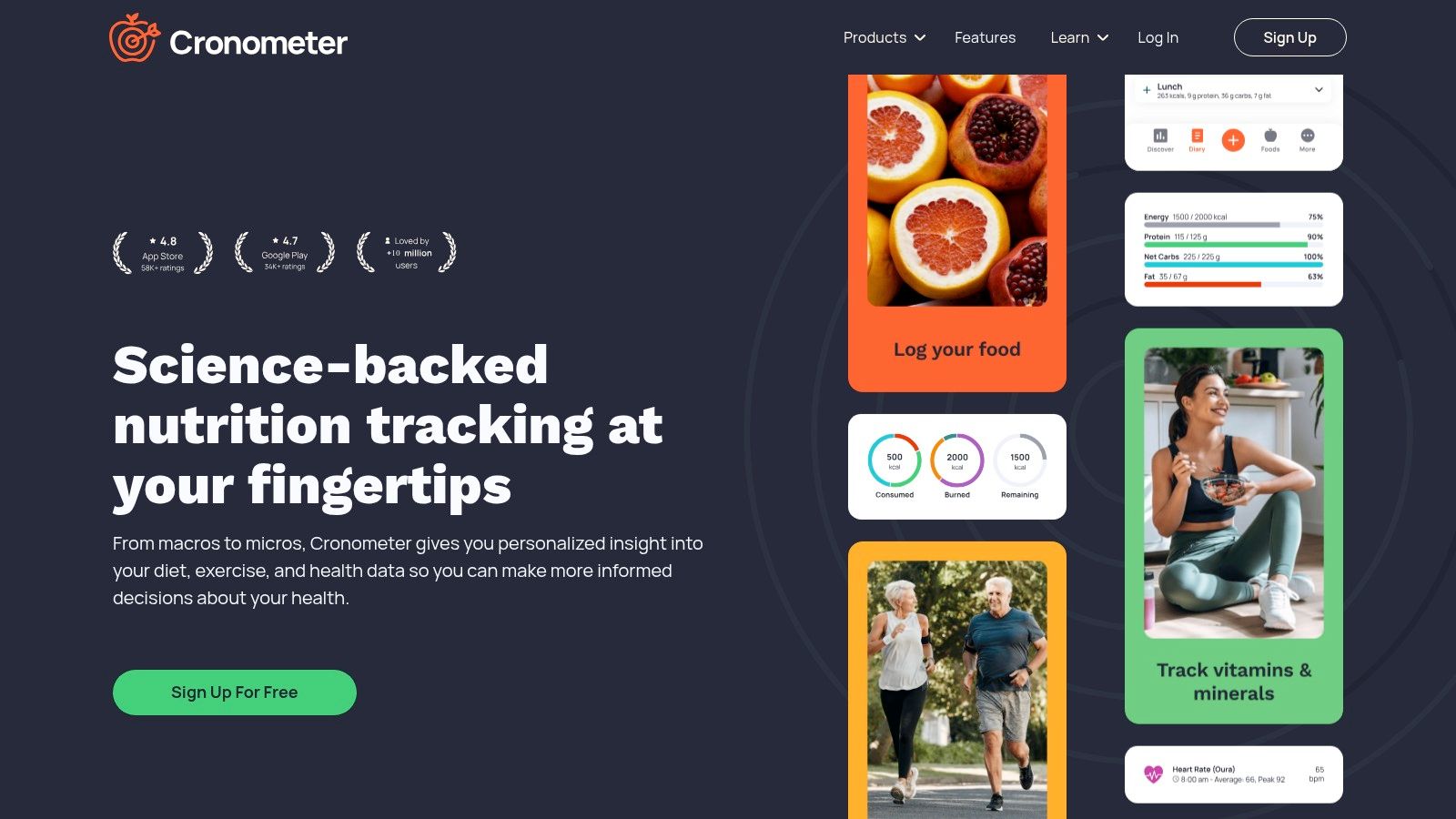
What sets Cronometer apart is its meticulous, professionally curated food database, which minimizes user-generated errors common in other apps. For those managing heart health, this precision is invaluable. You can track not just sodium and saturated fats, but also specific fatty acids (Omega-3s, Omega-6s), various types of fiber, and essential minerals like potassium and magnesium, all of which are crucial for cardiovascular wellness. While its detailed interface presents a steeper learning curve than apps like Yuka, its power lies in providing the granular data needed to fine-tune a diet according to specific medical advice from a healthcare provider. For a deeper look into its capabilities, you can explore more about how this scanner food app compares to others.
Key Features & User Experience
MyFitnessPal is a dominant force in the nutrition tracking world, known for its colossal user-contributed food database. While its primary function is detailed calorie and macronutrient logging, its barcode scanner is a key feature for quickly adding packaged foods to your daily diary. This scanner food app functionality streamlines the process of tracking meals, making it less of a chore to maintain a consistent food log for managing long-term health goals, including cardiovascular wellness.
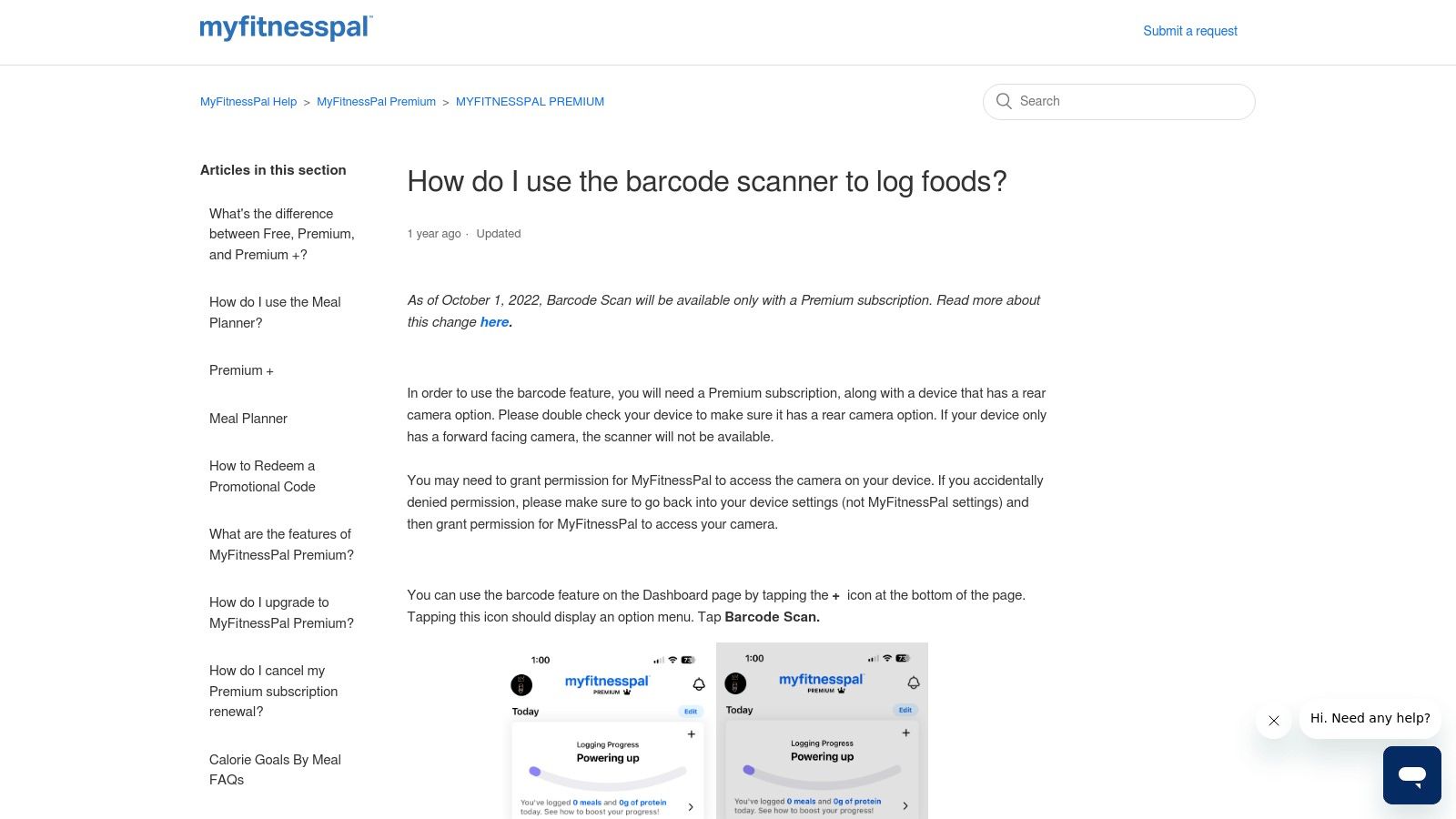
What differentiates MyFitnessPal is its deep integration with a vast ecosystem of fitness apps and devices, allowing users to consolidate their diet and exercise data in one place. For heart health, tracking metrics like sodium and saturated fat intake is straightforward, although it doesn't offer the simple, color-coded scoring of other apps. Instead, its strength lies in providing raw data for users who want to meticulously manage their numbers. It is important to note that while the app has a free version, the barcode scanner is a Premium feature in the United States and other regions, which may be a deciding factor for some users. To understand its role in a broader wellness plan, you can see how it compares with other health tracking apps.
Key Features & User Experience
Fooducate operates as a nutritional education tool disguised as a scanner food app. It goes beyond simple calorie counting by assigning a letter grade (A, B, C, or D) to food items based on their overall healthfulness. After scanning a barcode, the app provides a concise grade and highlights key information, such as the presence of excessive sugar, tricky trans fats, high fructose corn syrup, and controversial food additives. This grading system is designed to help users quickly understand a product's true nutritional value beyond its marketing claims.
What makes Fooducate distinct is its strong focus on ingredient quality rather than just macros. For individuals concerned with heart health, the app's flags for high sodium and "unhealthy fats" are particularly useful, aligning with dietary recommendations from the National Institutes of Health (NIH) to limit these nutrients. If a product receives a poor grade, Fooducate suggests healthier alternatives, empowering users to make better choices right in the grocery aisle. The app also incorporates a community and tracking features, allowing users to monitor their food intake, exercise, and other metrics, creating a more holistic health management experience.
Key Features & User Experience
Open Food Facts operates as a nonprofit, crowdsourced project, offering a powerful scanner food app built on a massive, open database of food products from around the world. Its core mission is transparency and data accessibility. When you scan a barcode, the app pulls up detailed product information, including the Nutri-Score, allergens, ingredients, and even an Eco-Score that assesses environmental impact. This collaborative approach makes it a unique resource for users who prioritize unbiased, community-vetted information over polished, commercial interfaces.
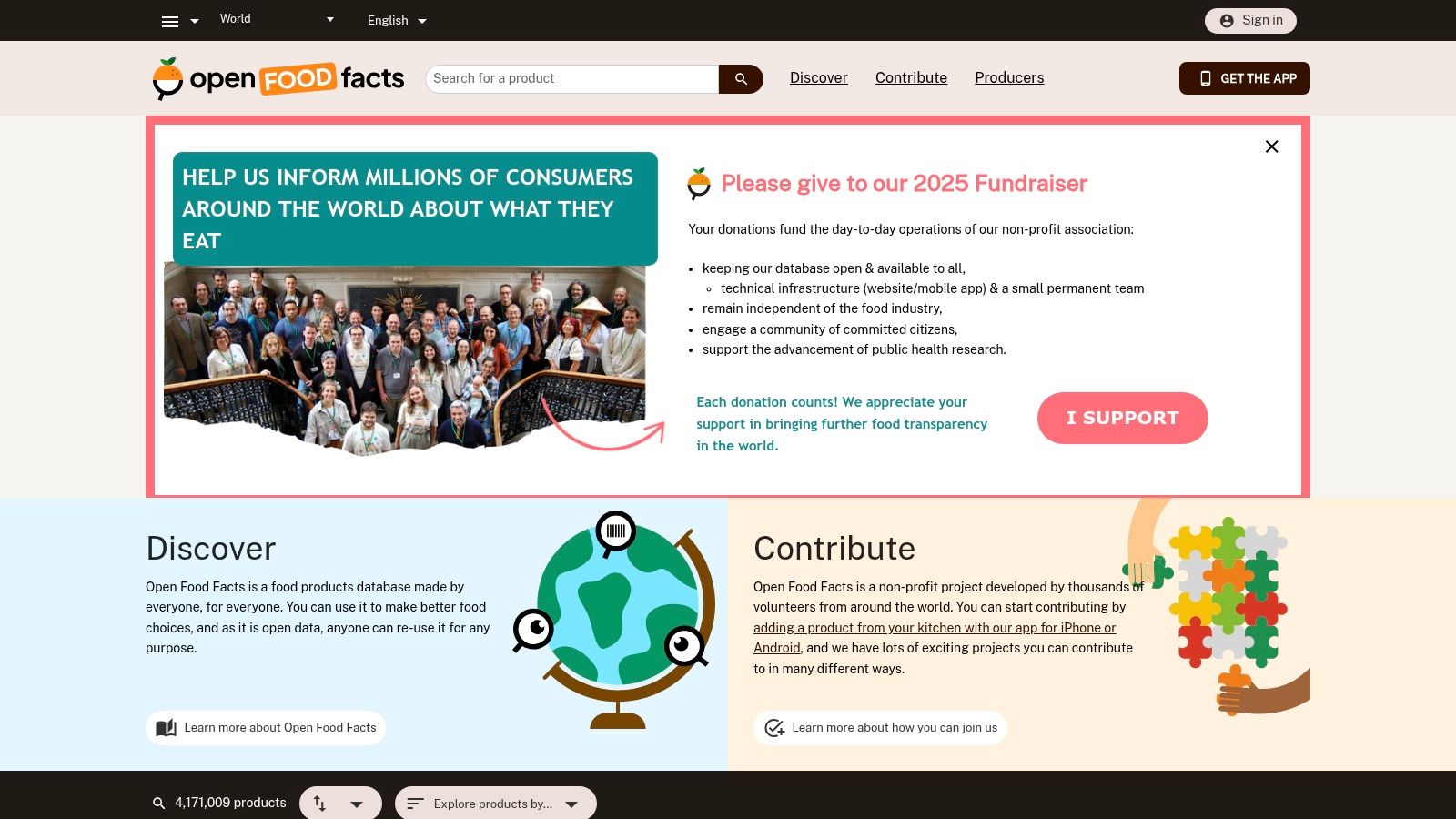
What truly distinguishes Open Food Facts is its commitment to being a "Wikipedia for food." It’s entirely free and privacy-friendly, without advertisements or premium paywalls. For heart health, the app displays key metrics like saturated fat and sodium clearly, often contextualized within the Nutri-Score calculation, a system endorsed by many European health authorities and supported by organizations like the World Health Organization. If a product is missing from its 2.3 million-plus entries, users are encouraged to contribute by adding photos and data, enhancing the database for everyone. This makes it an excellent educational tool for those who want to understand the full picture behind their food choices.
Key Features & User Experience
Spoonful is a highly specialized scanner food app designed for users managing complex dietary restrictions, from food allergies to specific therapeutic diets like Low-FODMAP and gluten-free. Rather than providing a general health score, it gives a clear, dietitian-reviewed verdict on whether a product fits a user’s selected diet. By scanning a barcode, the app delivers an instant traffic-light result (green for compliant, yellow for caution, red for non-compliant), effectively eliminating the need for tedious and often confusing ingredient label analysis in the grocery aisle.
What makes Spoonful a standout resource is its focus on validated, diet-specific information. For individuals with conditions like Celiac disease or IBS, where ingredient accuracy is critical, the app's dietitian-led notes provide crucial context that generic nutrition apps lack. While its primary function isn't general heart health scoring, it indirectly supports heart-healthy eating by helping users find whole, unprocessed foods that fit their dietary profile. If an item is flagged as non-compliant, Spoonful’s substitute finder suggests appropriate alternatives, simplifying the shopping process for those with very specific nutritional needs. The user experience is clean, direct, and focused on delivering a quick, reliable answer.
Key Features & User Experience
Fig is a specialized scanner food app designed for individuals managing complex dietary restrictions, from allergies and intolerances to specific diets like low-FODMAP or low-histamine. Instead of providing a general health score, Fig lets users create a highly personalized profile based on over 2,800 dietary needs. When you scan a product barcode, the app instantly tells you if it’s compatible with your unique profile, highlighting problematic ingredients and explaining why a product might not be suitable.

What makes Fig particularly powerful is its ability to manage multiple profiles simultaneously (a premium feature), which is a game-changer for households with different dietary needs. While its primary focus isn't heart health metrics like sodium or saturated fat, its meticulous ingredient analysis is invaluable for those whose cardiac wellness is linked to managing inflammatory triggers or specific food sensitivities. For example, individuals with Alpha-gal syndrome can easily avoid mammalian-derived ingredients that could cause adverse reactions. The app’s ingredient education, backed by dietitian input, helps users understand labels on a much deeper level.
Key Features & User Experience
Sift Food Labels operates less as a nutrition tracker and more as an ingredient investigator. This scanner food app is designed for users who want to understand what is in their food, not just the macros. By scanning a barcode, Sift deciphers complex ingredient lists into plain language, flagging controversial additives, chemicals, and ingredients that may be restricted in other countries. It helps users make choices based on clean eating principles and specific dietary avoidances, moving beyond simple calorie counting.
What makes Sift unique is its dual-platform approach and emphasis on label literacy. The mobile app is perfect for in-store scanning, but its browser extension brings the same level of scrutiny to online grocery shopping, analyzing product pages before you add items to your virtual cart. For heart health, this is particularly useful for identifying hidden sources of sodium, trans fats, or inflammatory additives that standard nutrition panels might obscure. Sift also offers powerful filters for diets like Gluten-Free, Low FODMAP, and Paleo, empowering users with specific sensitivities to shop with confidence.
Key Features & User Experience
The EWG Healthy Living app extends beyond nutrition to evaluate overall ingredient safety, positioning itself as a comprehensive scanner food app for the health-conscious consumer. Developed by the Environmental Working Group, a nonprofit research organization, this tool scans barcodes on food, personal care items, and cleaning products. It assigns a simple 1-10 score (1 being best) based on ingredient concerns, processing levels, and nutritional value. This system empowers users to quickly assess potential risks from contaminants, pesticides, and additives that may not be flagged by standard nutrition-focused apps.
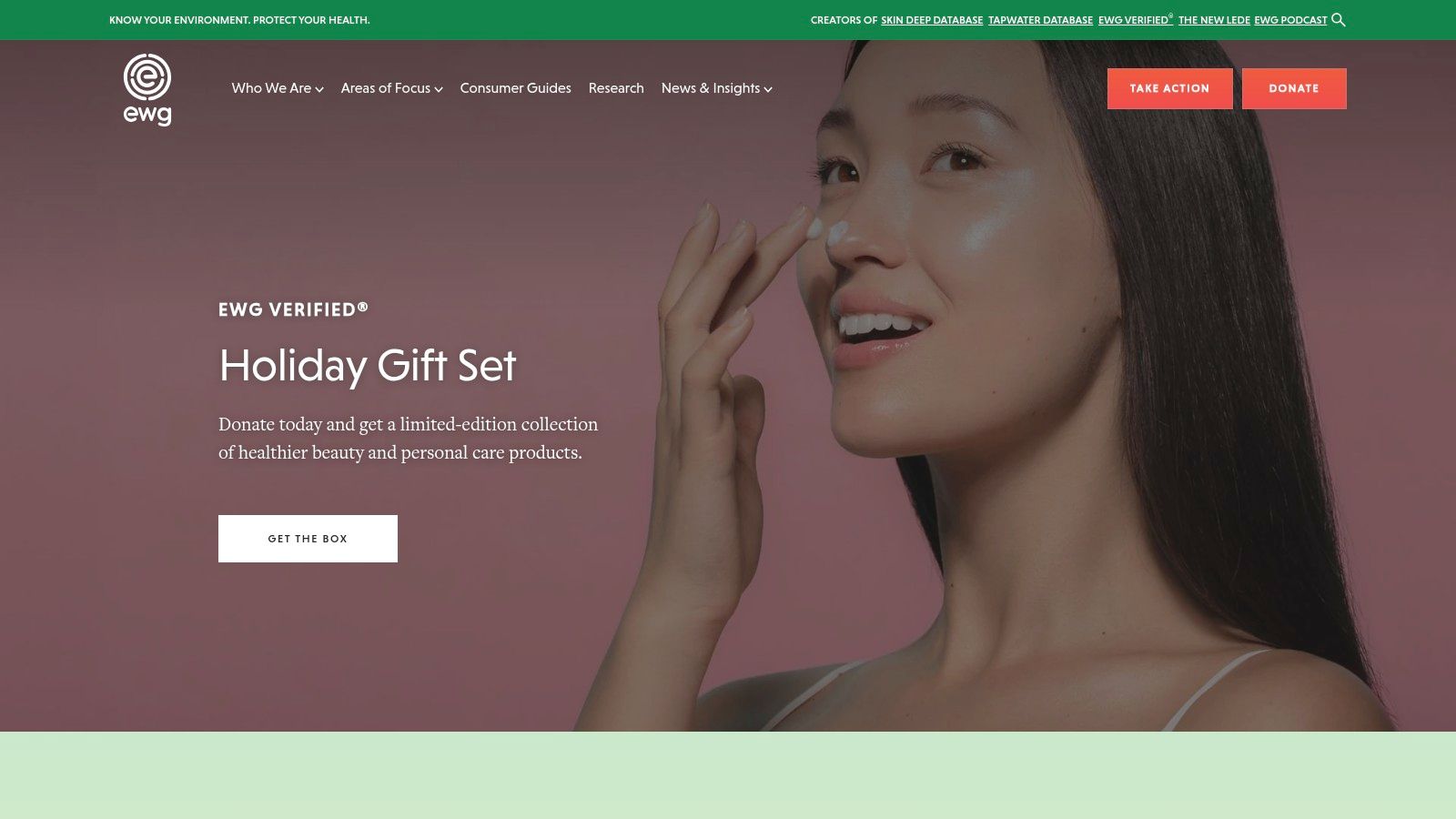
What sets EWG Healthy Living apart is its rigorous, research-driven methodology and broad product coverage. For those managing heart health, the app's focus on processing and additives can be highly beneficial, as highly processed foods are often linked to higher sodium and unhealthy fat content. According to the Centers for Disease Control and Prevention (CDC), frequently consuming ultra-processed foods is associated with adverse health outcomes. Its database also highlights "EWG VERIFIED™" products, which meet the organization's strictest health and transparency standards. While the rating system is specific to EWG's criteria and may differ from other health scoring systems, its independent, nonprofit stance provides a trustworthy resource for users prioritizing ingredient safety.
Key Features & User Experience
Soosee takes a unique approach to food scanning by focusing on the ingredient list text rather than the barcode. This innovative scanner food app uses your phone's camera to analyze and highlight words in real-time based on your specific dietary needs or preferences. Instead of providing a nutritional score, it acts as a smart filter, instantly flagging ingredients you want to avoid, such as allergens, palm oil, or non-vegan additives.
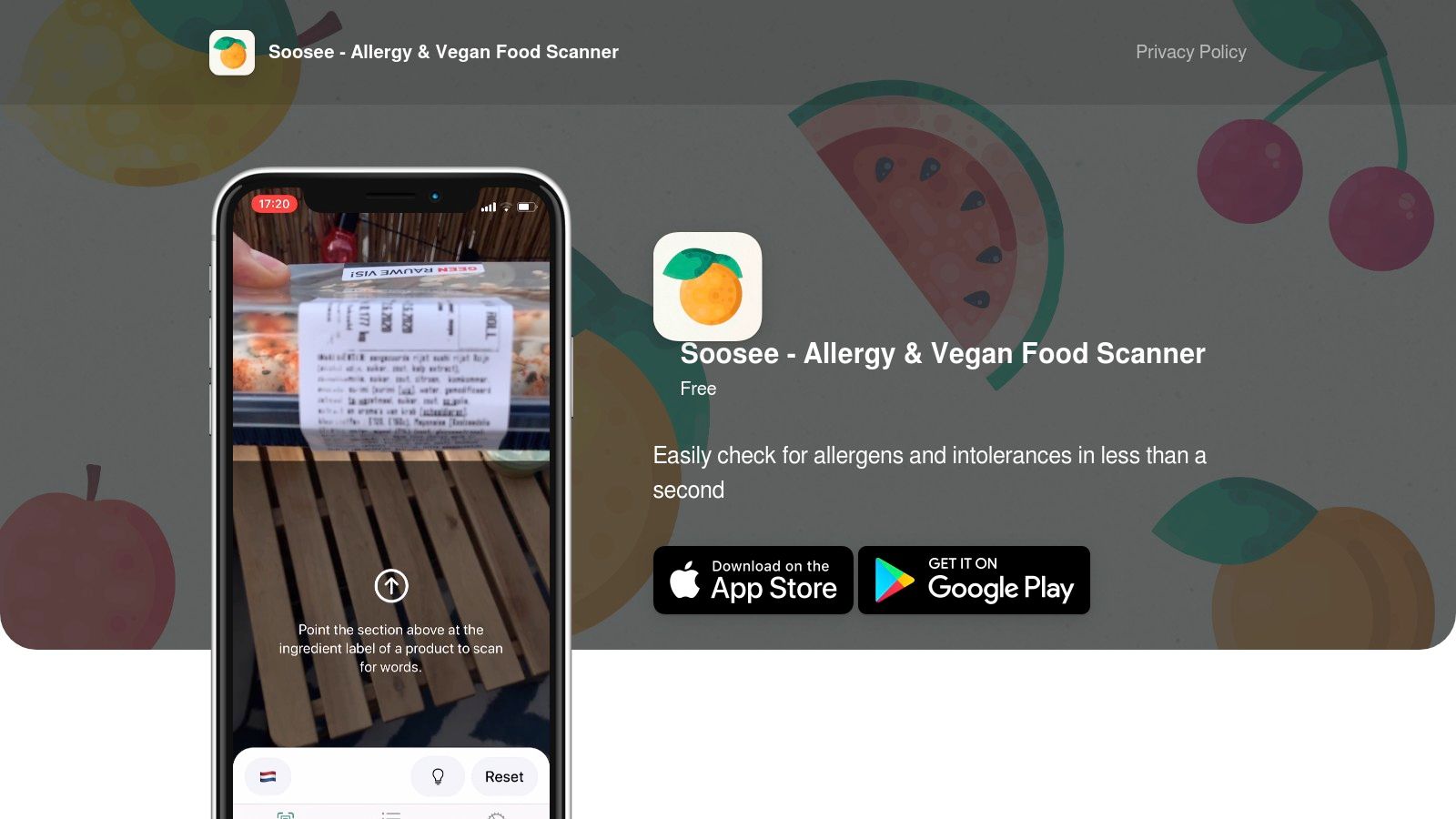
What makes Soosee stand out is its utility when barcodes are missing, damaged, or not in a database. For heart health, you can create custom keyword groups to flag ingredients like "partially hydrogenated oil" (a source of trans fats) or specific high-sodium additives that might not be prominently featured on the nutrition panel. The app works offline and supports multiple languages, making it a reliable tool for travel or areas with poor connectivity. Its privacy-first approach, with no ads or user tracking, ensures a focused and secure user experience for those managing strict dietary protocols.
Key Features & User Experience
Scan Halal is a highly specialized scanner food app designed for individuals following a halal diet. It provides an instant verdict on a product's halal status by scanning its barcode. The app analyzes ingredients and their sources to determine compliance, breaking them down into categories like plant, animal, or synthetic. This focus makes it an indispensable tool for Muslim consumers looking to make quick and confident decisions while grocery shopping, particularly in regions like the US and Canada where its database is most robust.
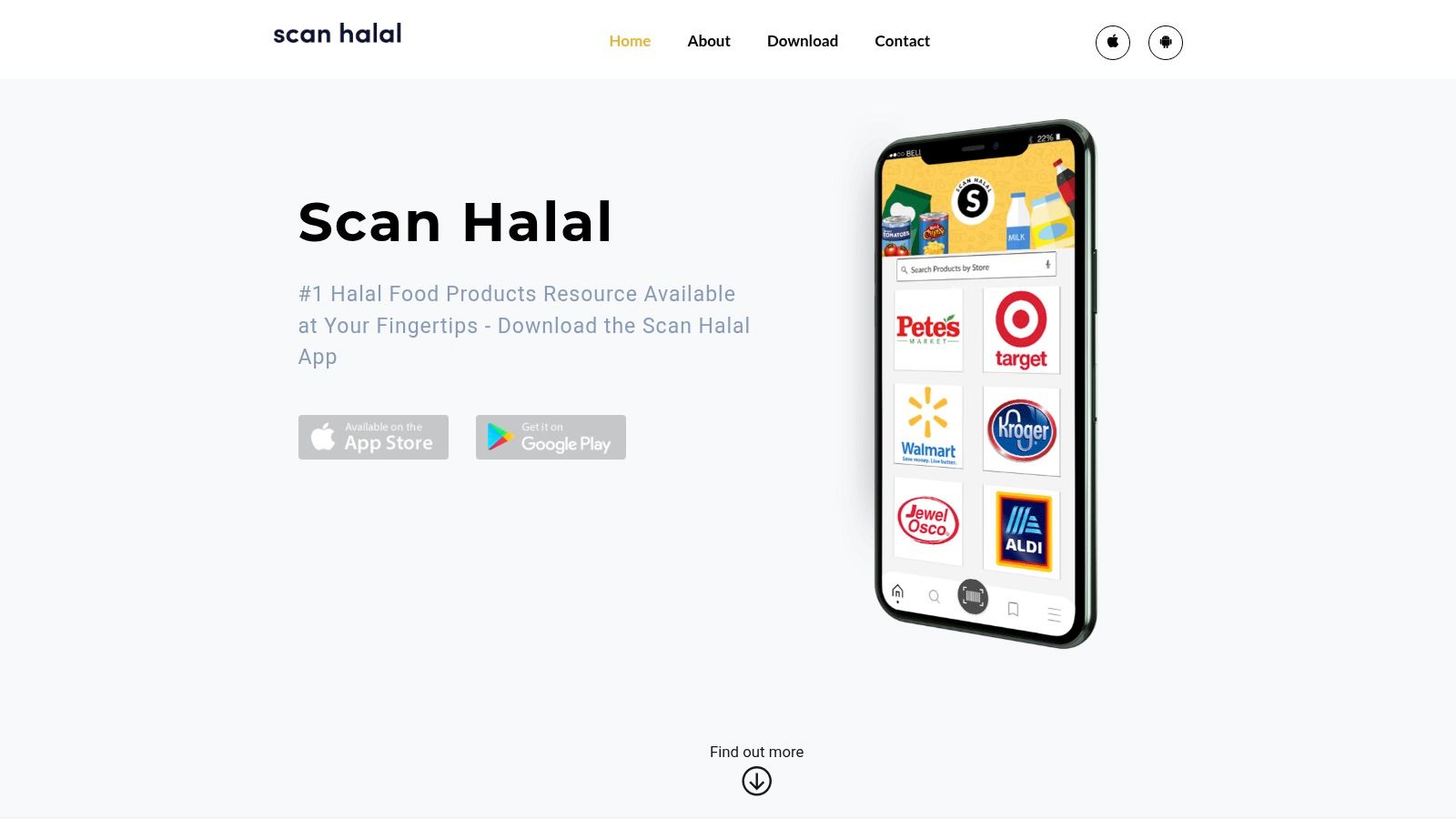
What sets Scan Halal apart is its dedicated mission and the expertise behind it, with a team that includes food technologists and nutritionists ensuring accuracy. While its primary function isn't heart health, it promotes conscious eating by encouraging users to examine ingredient lists closely. For those managing heart health within a halal framework, the app indirectly supports better choices by helping to identify and avoid highly processed foods that may contain questionable or non-halal additives. Its clear, focused interface provides a simple "Halal" or "Haram" status, removing guesswork from the shopping experience.
Key Features & User Experience
Navigating the crowded market of health and nutrition applications can feel overwhelming, but finding the right scanner food app is a critical step toward proactive heart health management. As we've explored, the technology at our fingertips has evolved far beyond simple calorie counting. Today's best apps empower you to decode complex food labels, understand the impact of specific nutrients on your cardiovascular system, and make informed choices in real-time, right in the grocery aisle.
The journey through these twelve powerful tools reveals a clear theme: personalization is paramount. No single app is a universal solution. Your ideal choice depends entirely on your specific health goals, dietary needs, and how you prefer to engage with technology. The key is to move from passive tracking to active, data-driven decision-making.
Reflecting on the apps we've reviewed, from the comprehensive heart-centric analysis of HeartFit to the ingredient-focused simplicity of Soosee, several core principles emerge:
In short, choosing an app with a reliable database and detailed, context-rich nutrient tracking is essential for effectively managing heart health.
Before downloading your next app, take a moment to assess your individual needs. Ask yourself these questions to guide your selection:
Ultimately, the best scanner food app is the one you will use consistently. Start with one or two options that align with your goals and test them for a week. See which interface you prefer and which one provides the most valuable feedback for your lifestyle. To truly make every bite count for heart health, it's essential to understand strategies like how to lower cholesterol through diet, which these apps can help you track and manage.
Remember, these tools are powerful allies, not replacements for professional medical guidance. Always discuss significant dietary changes with your healthcare provider or a registered dietitian. By combining smart technology with expert advice, you can build a sustainable, heart-healthy lifestyle that empowers you for years to come.
Q: What is a normal resting heart rate?
A: According to the Mayo Clinic, a normal resting heart rate for most adults ranges from 60 to 100 beats per minute (BPM). Factors like fitness level, medications, and stress can influence this rate.
Q: How does dietary fiber help lower cholesterol?
A: Soluble fiber, found in foods like oats, beans, and apples, can reduce the absorption of cholesterol into your bloodstream. It binds with cholesterol and its precursors in the digestive system and helps remove them from the body.
Q: Can a scanner food app replace a dietitian?
A: No. A scanner food app is a tool for information and tracking. It cannot replace the personalized advice, medical nutrition therapy, and accountability provided by a registered dietitian or healthcare professional.
Ready to take the next step in your heart health journey? HeartFit integrates a powerful food scanner with comprehensive tracking for blood pressure, cholesterol, and medications, providing you with AI-driven insights tailored specifically to your cardiovascular wellness. Go beyond generic tracking and get a complete picture of your heart health by visiting HeartFit to learn more.
Download HeartFit.ai and start your 66-day journey today.



Join the #hearthealth crowd who are leveling up their heart health with HeartFit.ai