Discover the best food scanner app for your goals. We review 12 top apps for nutrition tracking, ingredient checks, and heart-healthy eating.
Navigating the grocery store aisles to find heart-healthy options can feel like a full-time job. Food labels are often confusing, packed with small print and complex nutritional data that make it difficult to quickly assess whether a product aligns with your health goals. This is where a powerful food scanner app becomes an indispensable tool, transforming your smartphone into a personal nutrition expert. By simply scanning a barcode or a photo of a food label, you can instantly receive a detailed analysis of its contents, from sodium and saturated fat levels to added sugars and artificial ingredients.
This guide is designed to help you cut through the noise and find the best food scanner app for your specific heart-health needs. We will provide a comprehensive, in-depth review of the top applications available, moving beyond simple feature lists to offer practical insights. You will learn how each app performs in real-world scenarios, its strengths and limitations for managing cardiovascular health, and how it integrates with other health platforms like Heart Fit.
We've done the research to compare pricing, privacy policies, and the scientific accuracy of their databases, ensuring you have all the information necessary for an informed decision. For each app, we include direct links and screenshots to give you a clear picture of its user experience. Our goal is to equip you with a resource that not only lists options but also empowers you to choose and effectively use the right tool to support your journey toward better heart health.
Disclaimer: This article is for informational purposes only and is not a substitute for professional medical advice. Always consult a healthcare provider before making significant lifestyle or medication changes.
HeartFit stands out not merely as a food scanner app, but as a comprehensive habit-coaching system designed to translate clinical advice into sustainable daily actions. It uniquely bridges the gap between receiving a heart-health action plan from a provider, like Function Health, and successfully implementing it. Instead of just logging data, the app’s core function is to convert your specific bloodwork-based recommendations into a prioritized, manageable, and gamified daily routine. This makes it an exceptional tool for individuals who know what they need to do for their heart health but struggle with consistent execution.
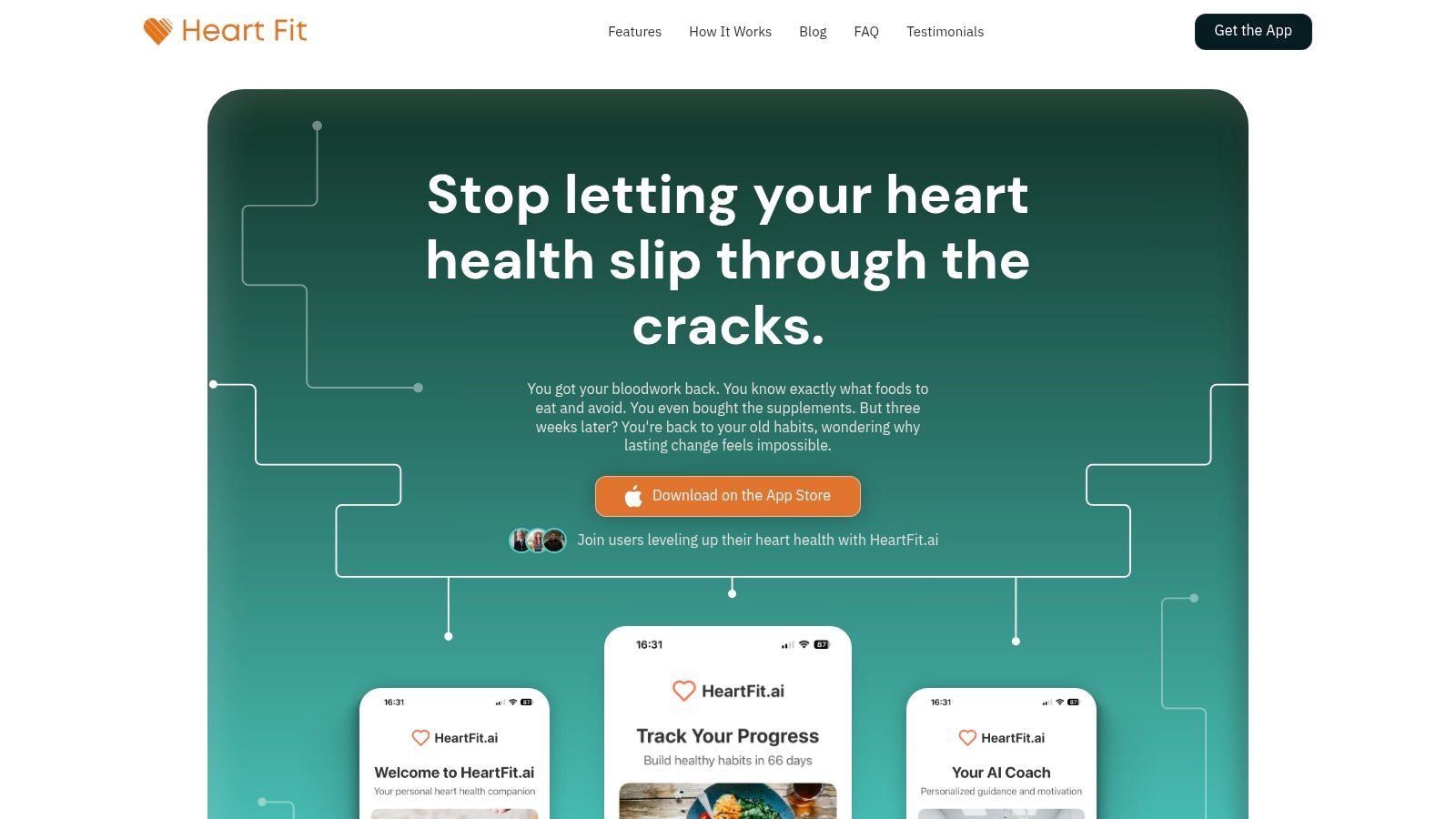
The platform’s standout feature is its AI-powered meal-photo scoring. Rather than manually inputting every ingredient or scanning barcodes, you can simply snap a photo of your meal. The AI provides instant feedback on how that meal aligns with your personalized heart-health goals, offering a frictionless way to stay on track. This process is far more intuitive than traditional logging and provides immediate, actionable insights that reinforce positive choices.
HeartFit is engineered around a 66-day habit system, a duration often cited in behavior change research for solidifying new routines. This is supported by gamification elements like points, streaks, and rewards, which add a layer of motivation. According to user testimonials, this approach feels less like a restrictive chore and more like a supportive partnership. For example, Daniel Nguyen noted its effectiveness for a busy, on-the-road schedule, demonstrating its real-world applicability.
"Heart Fit felt like a supportive friend that helped her stick with changes." - Rachel Moore, User Testimonial
Best for: Individuals with a specific heart-health action plan from their doctor who need a structured system for accountability and long-term habit formation.
Pros:
Cons:
Yuka stands out as a food scanner app focused on simplicity and transparency. Its core function is to quickly scan a food or cosmetic product's barcode and provide an instant, easy-to-understand evaluation of its health impact. This is presented as a color-coded score from 0 to 100, letting you see at a glance whether an item is considered excellent, good, mediocre, or poor. The app’s strength lies in this rapid feedback loop, which is perfect for making quick decisions while shopping.
The score is based on three criteria: nutritional quality (60%), the presence of additives (30%), and whether the product is organic (10%). For those managing heart health, Yuka flags products high in sugar, saturated fat, and sodium, which directly aligns with recommendations from the American Heart Association for a heart-conscious diet. Saturated fat, for instance, can raise levels of LDL cholesterol (often called the "bad" kind). If a product scores poorly, Yuka helpfully suggests healthier alternatives, removing the guesswork from finding a better option.
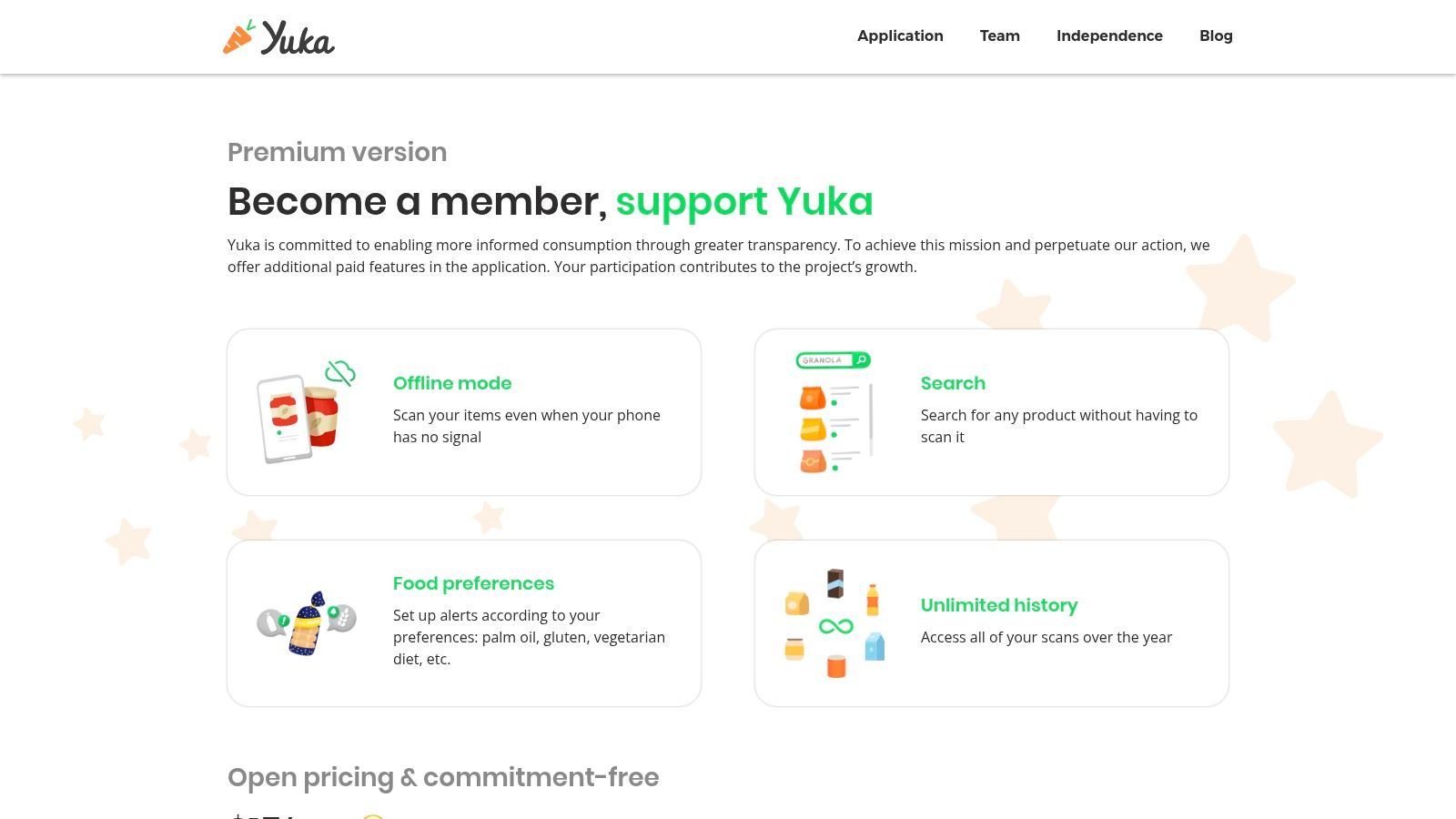
Yuka offers a robust free version that includes unlimited scanning and product analysis. A Premium membership is available for a low annual fee (around $20 per year), which unlocks several valuable features for dedicated users:
While the core scanner is free, the Premium features enhance its practicality significantly. For a more detailed comparison of its tracking capabilities against other popular platforms, see our breakdown of Yuka vs. MyFitnessPal. The app’s independent and transparent scoring methodology makes it a trustworthy choice for consumers looking to decode complex ingredient labels.
Fooducate takes an educational approach to its role as a food scanner app, aiming to teach users about the ingredients in their food beyond just calorie counts. It scans barcodes and assigns products a simple A to D letter grade based on their nutritional value. This grade is calculated by a proprietary algorithm that considers both the good (fiber, protein) and the bad (excessive sugar, sodium, saturated fats). The app's strength lies in its ability to quickly contextualize a product's healthiness, making it ideal for shoppers who want a fast yet informative quality assessment.
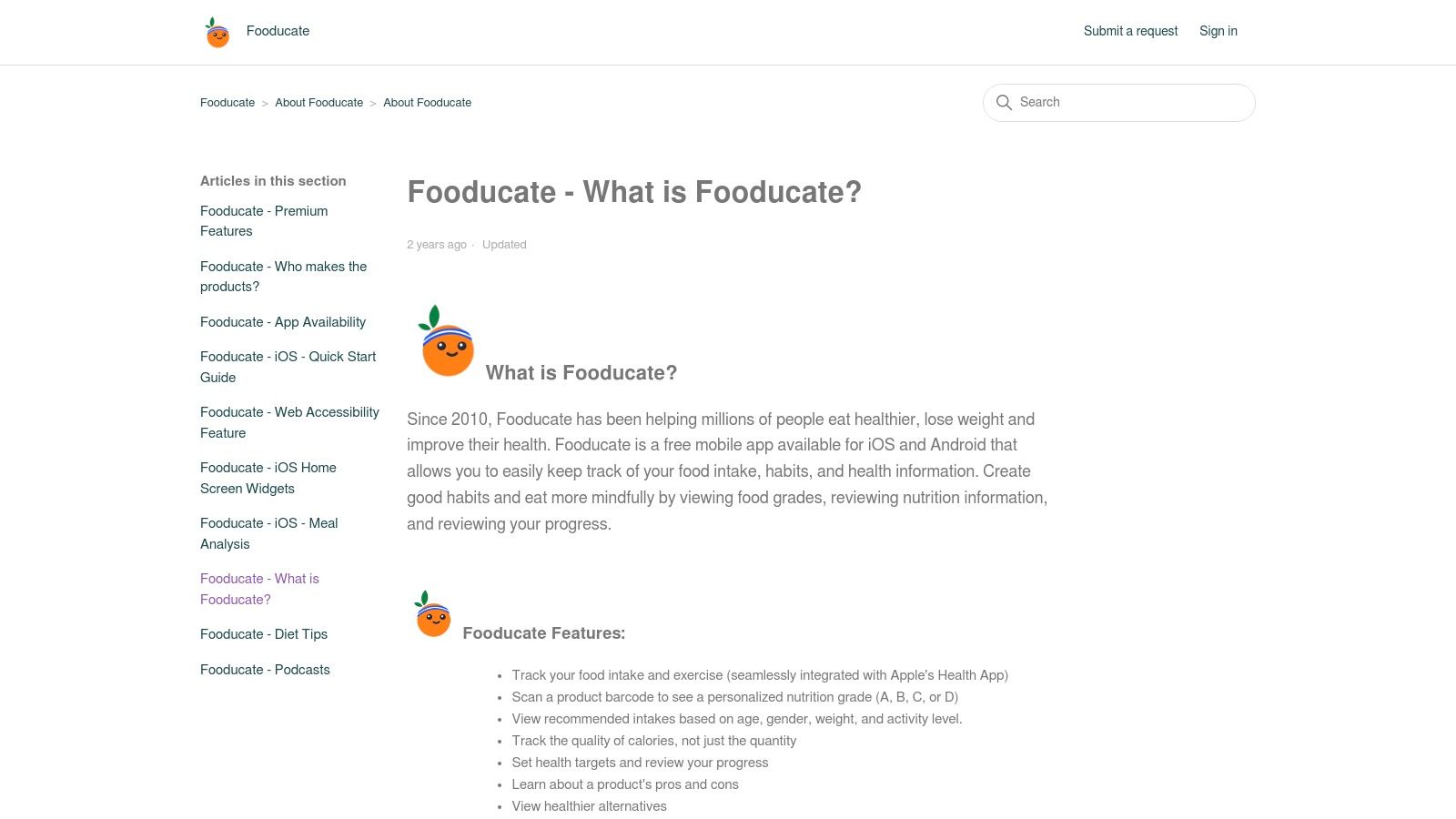
Fooducate excels at flagging problematic ingredients, such as added sugars, artificial sweeteners, and trans fats, which is crucial for heart health management. For example, it helps users adhere to recommendations from the American Heart Association to limit added sugar intake. If an item receives a poor grade, the app suggests healthier alternatives that are readily available in the same store, simplifying the process of making better choices on the fly. Its database is most robust for products in the U.S. and Canada.
The free version of Fooducate provides unlimited scanning, product grades, and basic tracking. To access more advanced insights, users can upgrade to Fooducate Pro, which is often available with promotions for a one-time lifetime purchase (around $75) or through annual/monthly subscriptions.
While the core scanner is powerful on its own, the Pro version unlocks a more personalized and detailed nutrition management tool. For more information on its features, you can visit the Fooducate support page. Its clear grading system makes it a great educational resource for anyone looking to understand food labels better.
MyFitnessPal is one of the most established names in nutrition tracking, known for its comprehensive approach to logging meals, exercise, and weight. While not solely a food scanner app, it incorporates a powerful barcode scanner as a key feature for quick logging. Its primary strength is its massive, user-generated food database, making it a robust all-in-one tool for those dedicated to detailed tracking of calories, macronutrients, and micronutrients.
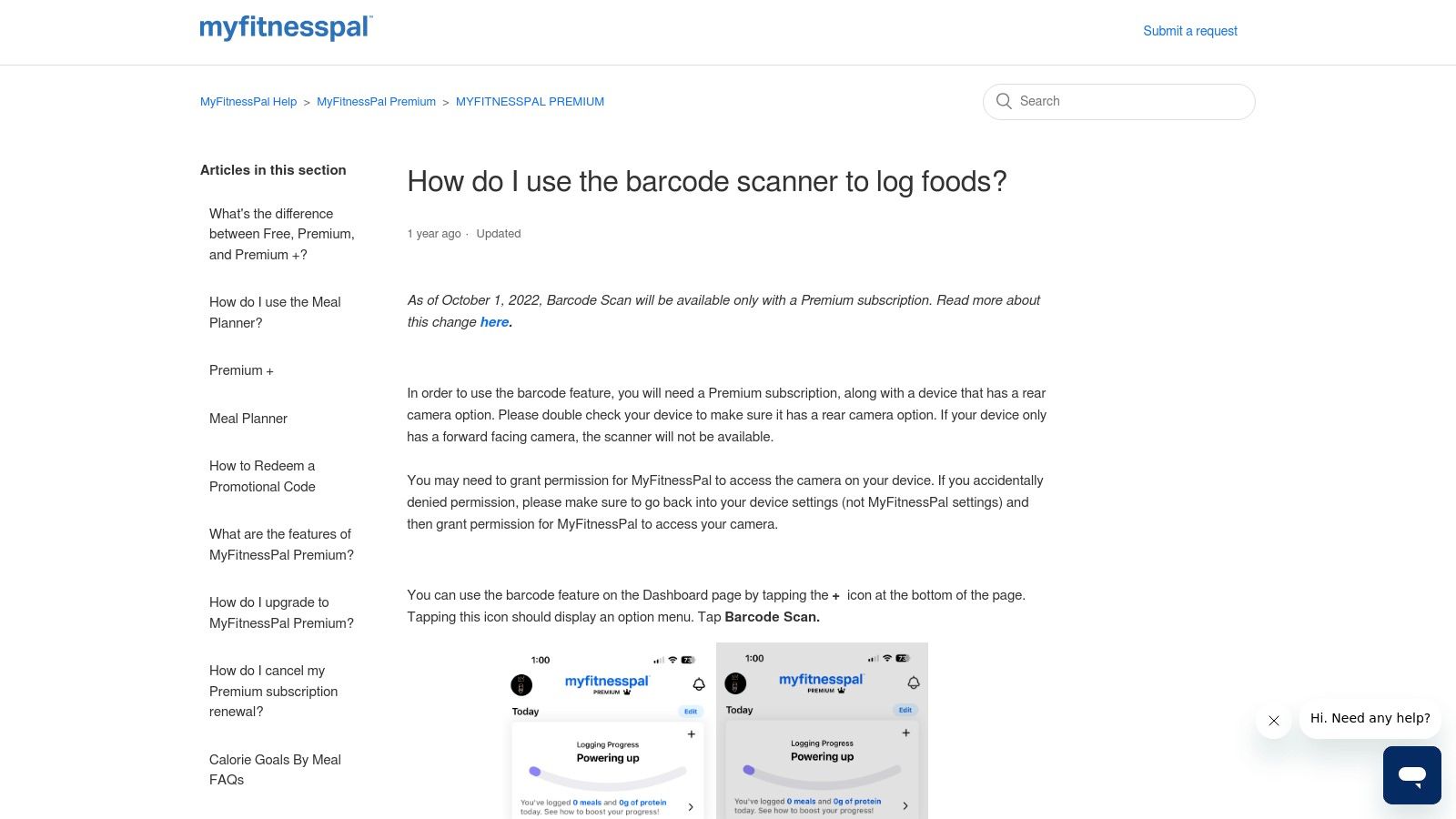
The app allows users to set specific goals for nutrients like sodium and saturated fats, which is essential for a heart-conscious diet. By scanning a product, you can instantly see its full nutritional profile and how it fits into your daily targets. However, a significant consideration for U.S.-based users is that the barcode scanner, along with other advanced features like Meal Scan, is locked behind the Premium subscription. For users exploring beyond or looking for different features, several robust alternatives to MyFitnessPal are available.
MyFitnessPal offers a functional free version for manual food logging. To access its scanner and deeper analytics, a Premium subscription is required, often available through promotional offers or an annual plan (around $79.99 per year).
While its scanner is paywalled in some regions, MyFitnessPal's comprehensive tracking system makes it a top contender among the best health tracking apps. Its extensive database and integration capabilities are ideal for users who want a single platform to manage their entire health and fitness journey.
Lose It! is a well-established calorie and macronutrient tracker designed primarily for weight management, but its robust features make it a strong tool for heart-conscious individuals. Its core strength lies in a user-friendly interface and a very fast barcode scanner, which simplifies the process of logging meals and snacks. The app sets daily calorie goals and allows users to track macros, helping them stay mindful of their intake of saturated fat and sodium, which is crucial for managing cardiovascular health.
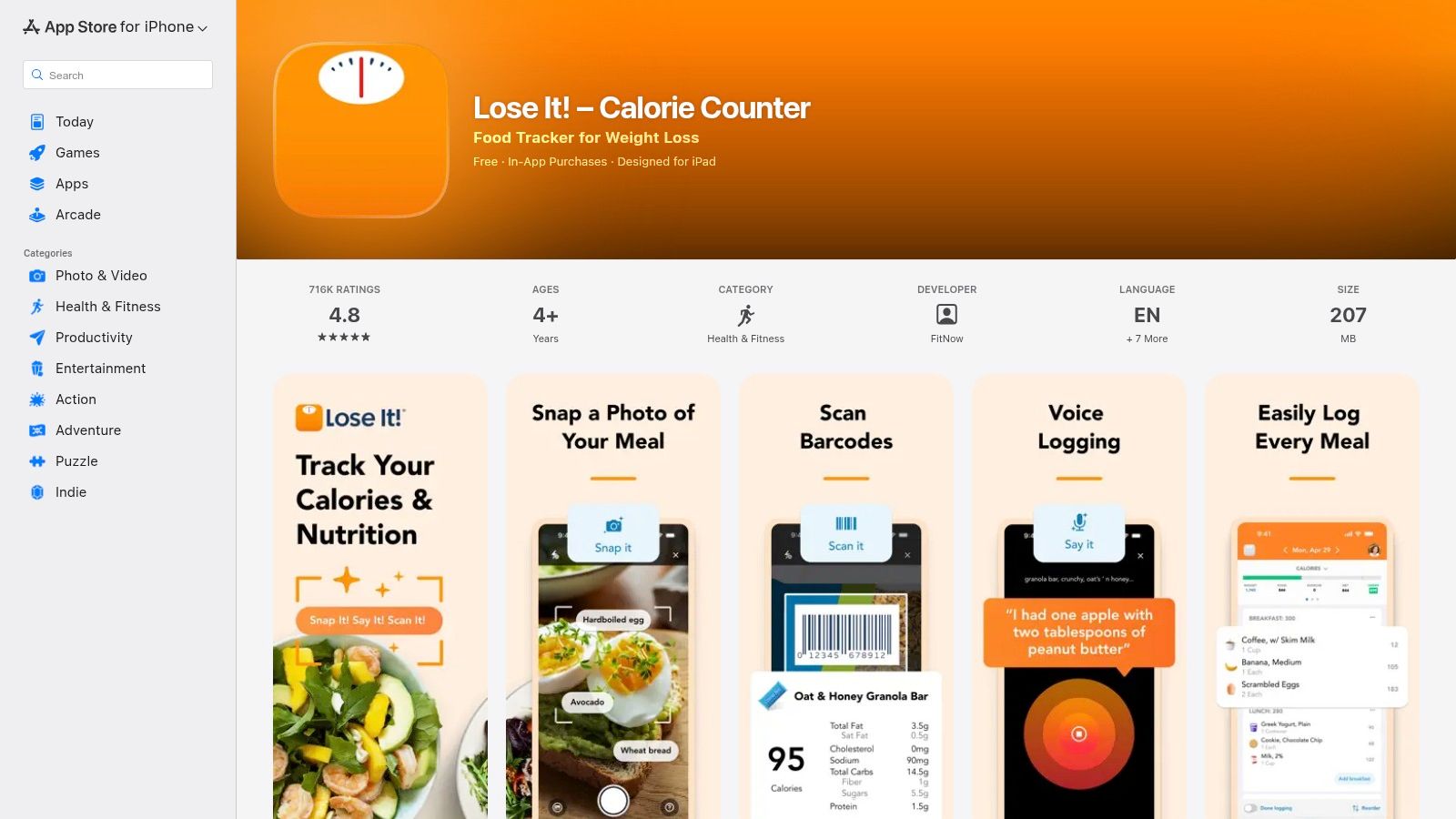
The app's food database is extensive, and the scanner quickly pulls up nutritional information for packaged goods, making grocery shopping and meal prep more efficient. For those focusing on a heart-healthy diet as recommended by organizations like the American Heart Association, the ability to monitor specific nutrients is invaluable. While its primary focus is on calories for weight loss, the detailed nutrient data available makes it a versatile food scanner app for various health goals.
The free version of Lose It! offers essential calorie tracking and barcode scanning. However, the Premium subscription (around $39.99 per year, though discounts are frequent) is necessary to unlock its most powerful features for detailed health management.
With its long track record and active community, Lose It! provides a supportive and effective environment for anyone looking to take control of their diet through diligent tracking. The app's blend of simplicity and detailed data makes it a commendable choice.
Cronometer positions itself as a tool for precision nutrition, moving beyond simple calorie counting to offer a detailed breakdown of micronutrients. Its mobile app includes a barcode food scanner app function in the free version, making it accessible for anyone wanting to get a deeper understanding of their diet. The platform is highly regarded by dietitians and athletes for its focus on accuracy, pulling data primarily from verified, lab-analyzed sources rather than user-submitted entries. This commitment to data quality makes it an exceptional tool for those meticulously tracking specific vitamins and minerals.

For users managing heart health, Cronometer’s detailed tracking of over 80 nutrients is a significant advantage. It allows you to monitor not just sodium and saturated fats, but also crucial minerals like potassium and magnesium, which play a key role in blood pressure regulation according to the National Institutes of Health (NIH). This level of detail empowers users to fine-tune their intake and truly understand how their food choices align with a comprehensive diet plan. For more guidance on building such a diet, see our guide on what constitutes a heart-healthy diet plan.
Cronometer provides a powerful free tier that covers all essential tracking needs, including barcode scanning. The paid "Gold" subscription (around $50 per year) unlocks more advanced tools for data analysis.
While the interface is more data-heavy and less casual than competitors, its unparalleled accuracy makes it a top choice for those serious about precision nutrition. The free version offers more than enough to get started, with the Gold subscription providing valuable tools for long-term optimization.
The EWG Healthy Living app, created by the Environmental Working Group, serves as a food scanner app with a primary focus on ingredient safety and environmental impact. It functions by scanning a product's barcode and cross-referencing it against EWG's extensive databases, including their well-known Food Scores and Skin Deep ratings. The app provides a score from 1 (best) to 10 (worst), evaluating products based on nutrition, ingredient concerns, and processing levels. This approach is ideal for users who prioritize clean eating and avoiding potentially harmful additives, aligning with a heart-healthy goal of consuming whole, minimally processed foods.
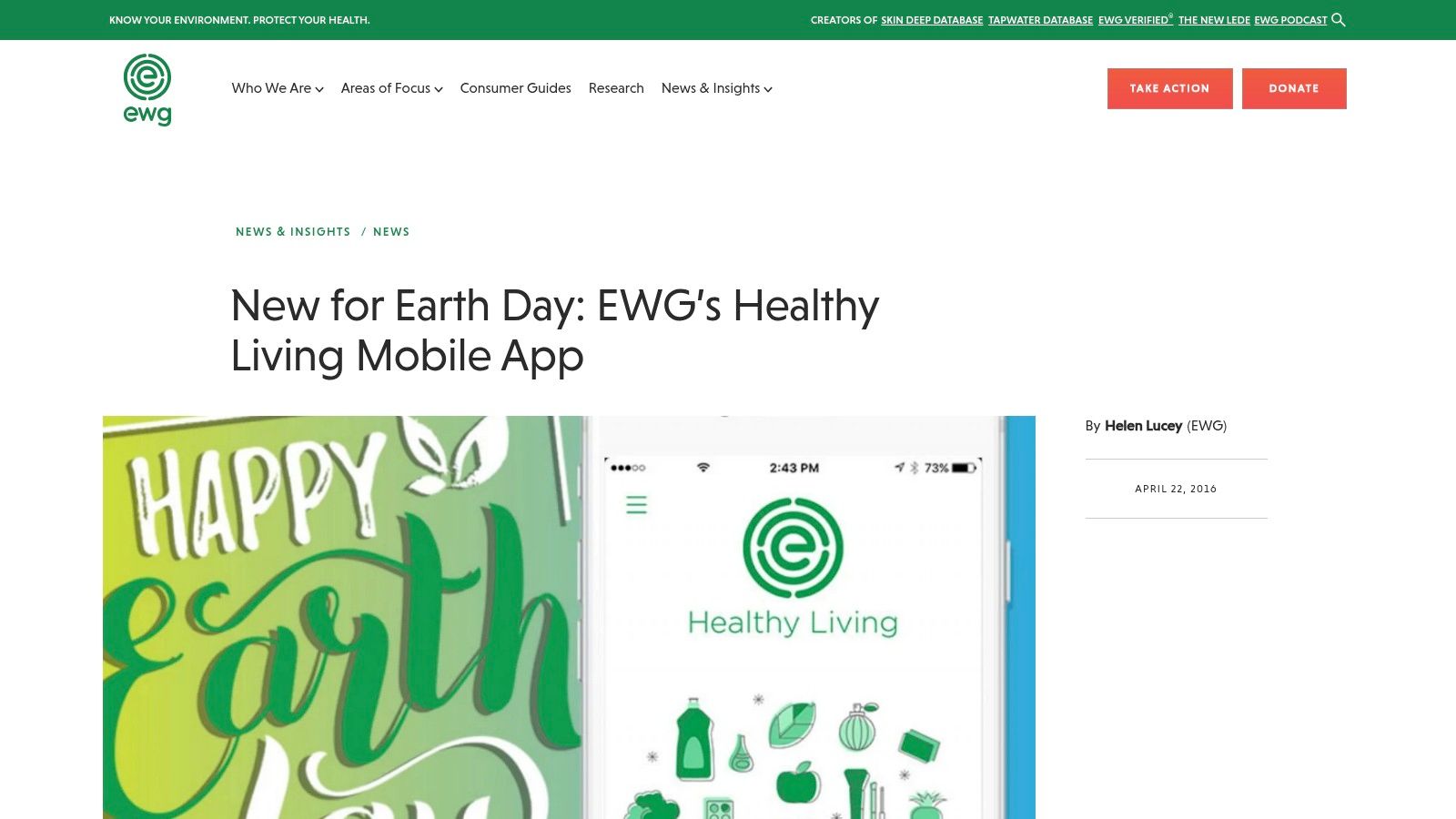
Unlike apps focused solely on macronutrients, EWG's strength lies in its transparent, science-backed methodology developed by a nonprofit organization. It flags ingredients that may be linked to health concerns, giving you a deeper understanding of what's in your food beyond the nutrition facts panel. This can be particularly useful for identifying hidden sources of sodium or undesirable preservatives. Its database includes over 120,000 food and personal care products, with special recognition for top-rated items that meet the strict EWG VERIFIED™ standard.
As a nonprofit initiative, the EWG Healthy Living app is completely free to download and use on both iOS and Android, with no premium tiers or hidden costs. Its value is centered on providing accessible, unbiased information.
While its core strength is not calorie or macro tracking, it excels as a supplementary tool for vetting product quality and ingredient safety, making it a powerful resource for anyone committed to a clean, heart-conscious diet. You can learn more and download the app from the official EWG website.
Open Food Facts operates on a unique, community-driven model, making it a powerful tool for those who value transparency and open-source data. Unlike polished commercial apps, it is a collaborative, free, and non-profit project. Volunteers worldwide contribute to its massive database, making it a constantly evolving resource for decoding product labels. The app allows you to scan a barcode and instantly see ingredients, allergens, and nutritional information, along with scores like the Nutri-Score (nutrition quality) and Eco-Score (environmental impact).
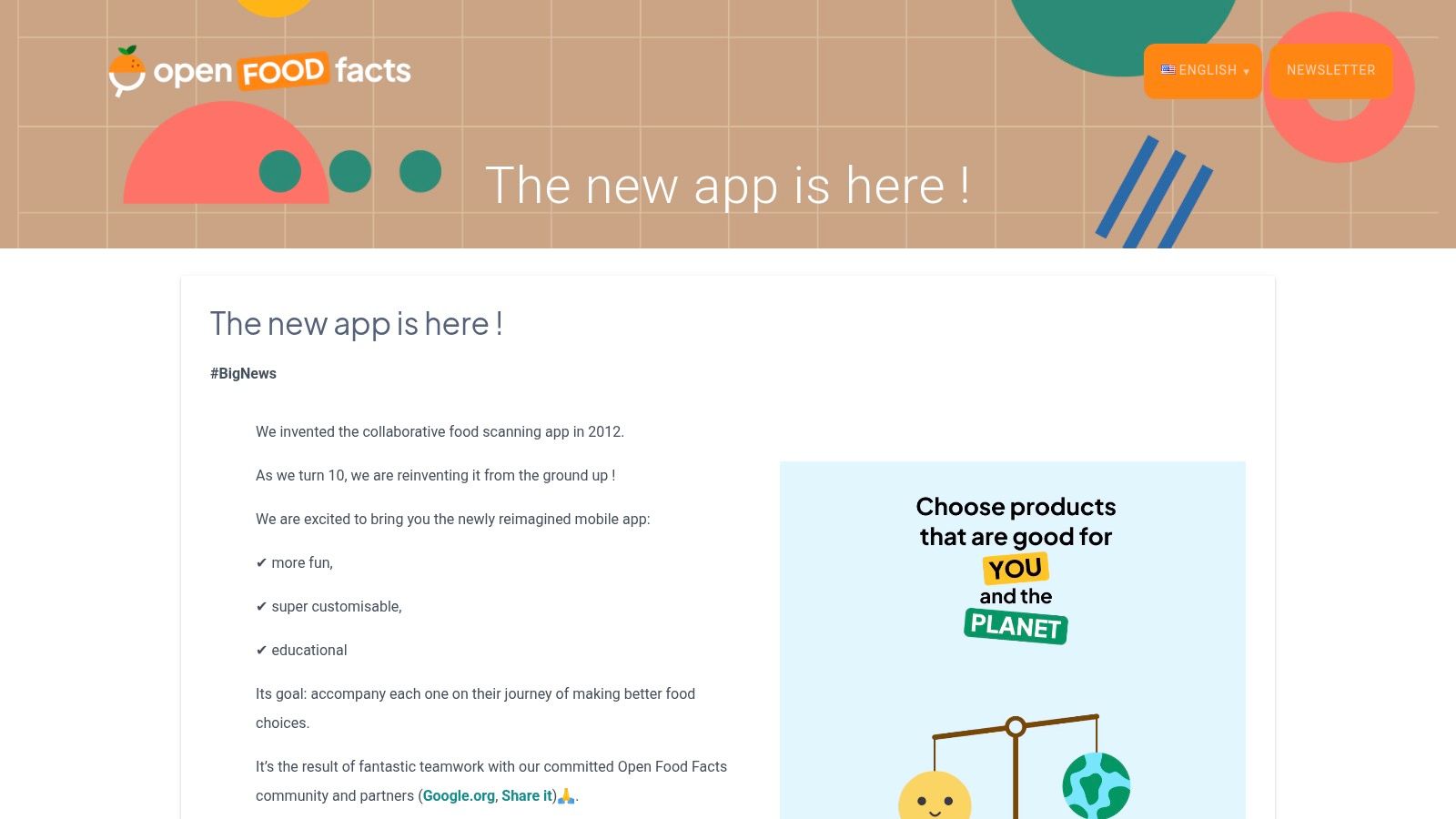
For users managing heart health, Open Food Facts offers granular detail on sodium, saturated fats, and sugars, though it doesn't provide the same guided alerts as some paid apps. Its main strength lies in its transparency and comprehensiveness, empowering you to make informed decisions based on raw data. If a product is missing, you can contribute by adding photos and information yourself, improving the database for everyone. This food scanner app is ideal for the data-conscious user who wants to understand exactly what’s in their food without a corporate filter.
Open Food Facts is completely free and open-source, with no premium tiers or hidden costs. Its value comes from its open data and community-first approach.
The primary drawback is that the user-generated data can sometimes be incomplete or contain errors. However, for those who prioritize open access and want to be part of a global food transparency project, Open Food Facts is an unparalleled resource. You can learn more about its mission and get involved on the Open Food Facts website.
Spoonful carves out a specific niche as a food scanner app designed for individuals managing complex dietary restrictions. Instead of focusing on general nutrition, it acts as a specialized guide for diets like low-FODMAP, gluten-free, vegan, and various allergen-free plans. Its core strength is providing immediate, dietitian-backed feedback on whether a product's ingredients are compliant with a user's specific dietary needs, making it an invaluable tool for conditions like Celiac disease or IBS.
The app uses a simple green, yellow, and red light system to indicate if a product is safe, should be eaten with caution, or should be avoided. Beyond a simple yes or no, Spoonful explains why an ingredient is flagged, empowering users with knowledge. While not a direct heart-health app, its ability to help users avoid inflammatory triggers associated with food sensitivities can be a complementary part of a holistic wellness plan. For those managing both dietary restrictions and cardiovascular goals, this app removes significant stress from grocery shopping.
Spoonful operates on a freemium model. The free version allows a limited number of scans, which is useful for occasional checks. To unlock its full potential, a subscription is necessary.
The subscription model makes it best suited for those who must constantly verify food labels. The focused nature of this food scanner app makes it less ideal for general calorie or macro tracking but indispensable for its target audience. You can learn more at spoonfulapp.com.
Fig positions itself as a specialized food scanner app designed for individuals with complex dietary needs and restrictions. Instead of offering a generic health score, it personalizes every scan to a user's unique profile, which can be configured for thousands of diets, allergies, and health conditions like low FODMAP, gluten-free, alpha-gal syndrome, and low histamine. This "restrictions-first" approach makes it an invaluable tool for navigating the grocery store when managing multiple or highly specific dietary requirements.

For those with heart health concerns alongside other conditions, such as celiac disease or lactose intolerance, Fig helps identify products that fit all criteria simultaneously. After setting up your "Fig," you can scan a barcode and instantly see a simple "yes" or "no" on whether it fits your needs, taking the intensive label-reading out of shopping. The app's database is curated with input from dietitians, adding a layer of trust to its recommendations. While its primary focus isn't on heart-specific metrics like sodium content, its ability to filter for whole-food-based diets indirectly supports heart-healthy eating patterns.
Fig offers a free version with a limited number of scans. The Fig+ subscription (around $40 per year) is necessary for full functionality and unlocks features crucial for regular use:
Fig’s strength lies in its exceptional coverage of niche and complex diets. Learn more about its features at foodisgood.com. While it may not replace a dedicated nutrient tracker for heart disease management, it is an indispensable companion for anyone juggling multiple dietary restrictions.
Sift Food Labels takes a different approach from typical calorie counters. Instead of focusing on macronutrients, this food scanner app acts as an ingredient translator, helping users understand what is actually in their food. It is designed to scan a product's barcode and immediately decode its ingredient list into simple, plain English. The app excels at flagging controversial additives, hidden sugars, and ingredients that may be banned in other countries but are common in the U.S. food supply. This makes it an invaluable tool for users who prioritize clean eating and avoiding specific unwanted compounds.
The app’s clean interface clearly highlights potential concerns, helping users make informed decisions aligned with specific dietary protocols. For those managing heart health, Sift is particularly useful for identifying and avoiding ingredients that can contribute to inflammation or other health issues, even if they aren't explicitly high in sodium or saturated fat. It provides a deeper level of analysis beyond basic nutritional facts, empowering users to truly know what they are consuming.
The core functionality of Sift Food Labels is available for free, offering a robust experience for the average user. Its primary features are built around ingredient transparency rather than metric tracking:
While the app is free to use and has a sizable database, its focus is narrower than all-in-one trackers. It's an excellent supplementary food scanner app for a user who wants to understand ingredient quality, but it does not offer meal logging or detailed macro and calorie tracking. Learn more at the official Sift Food Labels website.
Nima offers a unique approach that goes beyond a typical food scanner app by using a physical device to test for gluten. Instead of relying on barcodes or ingredient lists, the Nima sensor chemically tests a pea-sized food sample in a single-use capsule. The result, delivered in minutes, indicates whether gluten was detected, providing a layer of security for individuals with Celiac disease or severe gluten sensitivity, especially when dining out or eating foods without clear labeling. The accompanying app logs these test results, creating a personal history and allowing users to share findings with the community.
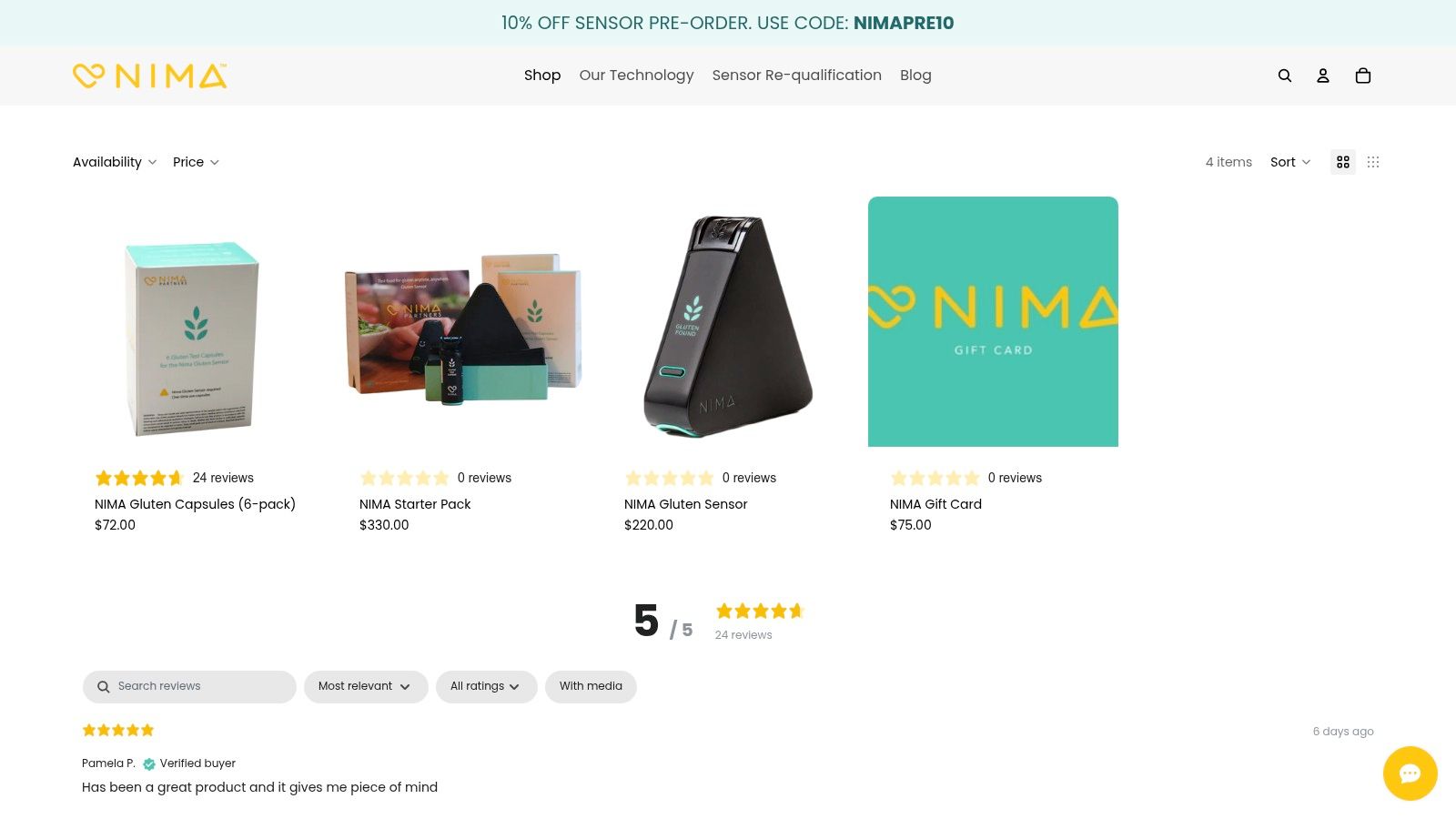
This system is particularly useful in situations where cross-contamination is a concern or when ingredient information is untrustworthy. However, it’s important to note that organizations like the Celiac Disease Foundation have pointed out limitations, and it should be used as an extra tool, not a replacement for cautious dining practices. For those managing severe allergies, Nima provides a point-of-use verification that no other app-based solution can offer, though the cost can be a significant factor.
The Nima system operates on a hardware-plus-subscription model. The initial investment and ongoing costs are notable compared to standard software-based apps. Products are available for pre-order directly from the Nima website.
While Nima's physical testing is a powerful concept, the high cost of the device and recurring expense for capsules make it a specialized tool. It is not a broad nutritional scanner but a highly focused device for gluten detection, serving a critical need for a specific dietary community.
Navigating the crowded aisles of a grocery store can feel like an overwhelming task, especially when you are trying to make choices that support your cardiovascular well-being. Throughout this guide, we have explored a dozen powerful tools designed to simplify this process, transforming your smartphone into a pocket-sized nutritional expert. From dedicated heart-health platforms like HeartFit to specialized allergen detectors like Nima, the right food scanner app can illuminate the path to a healthier diet.
The key takeaway is that technology has made understanding food labels more accessible than ever. No longer do you need to manually decipher complex ingredient lists or calculate nutrient percentages on the fly. A quick scan of a barcode can now instantly reveal critical information about sodium, saturated fats, added sugars, and potentially harmful additives, all of which are vital metrics for managing heart health. As you make choices for your heart health plan, learning how to effectively interpret food product details, such as how to read ingredient labels like a pro, becomes much simpler with a food scanner app that acts as your 'decoder ring'.
Choosing the best food scanner app is a personal decision that depends entirely on your specific goals, lifestyle, and existing health management tools. There is no single "best" app for everyone. To make an informed choice, consider the following framework to match an app's strengths to your needs:
Ultimately, a food scanner app is a tool to enhance your awareness, not replace your judgment or the advice of a qualified professional. The most effective approach is to use these apps as educational aids that help you build lasting, healthy habits. They empower you to see beyond the flashy marketing on the front of the package and understand the true nutritional content within. By integrating one of these tools into your routine, you are not just scanning barcodes; you are taking an active, informed role in your long-term heart health.
Disclaimer: This article is for informational purposes only and is not a substitute for professional medical advice, diagnosis, or treatment. Always seek the advice of your physician or another qualified health provider with any questions you may have regarding a medical condition.
Ready to integrate powerful food scanning with comprehensive heart health management? Download HeartFit today to not only track your diet but also monitor your blood pressure, manage medications, and receive personalized insights to support your cardiovascular goals. Take control of your health journey with a single, unified platform by visiting Heart Fit.
Download HeartFit.ai and start your 66-day journey today.



Join the #hearthealth crowd who are leveling up their heart health with HeartFit.ai