Searching for the best app for heart healthy diet? Discover our 2025 review of 12 top apps, from AI coaches to simple trackers, to manage your heart health.

Adopting a heart-healthy diet is one of the most powerful steps you can take for long-term wellness. According to the American Heart Association, a diet rich in fruits, vegetables, whole grains, and lean protein can significantly reduce the risk of cardiovascular disease. But turning these guidelines into daily habits can be challenging. This is where technology offers a crucial advantage. The right application can transform abstract medical advice into actionable, everyday steps by providing personalized feedback, tracking, and motivation.
This guide reviews the 12 best apps for heart-healthy diets available in 2025, helping you find the perfect digital partner to support your health journey. We cut through the marketing noise to analyze their most impactful features, from detailed sodium and saturated fat tracking to advanced AI-powered meal scoring and bloodwork integration. Each review includes a practical analysis of its pros, cons, and pricing, along with direct links, so you can make an informed choice that fits your specific needs and lifestyle. We'll explore tools designed for simple habit formation, comprehensive nutritional data analysis, and everything in between, empowering you to take control of your cardiovascular health.
Disclaimer: This article is for informational purposes only and is not a substitute for professional medical advice, diagnosis, or treatment. Always seek the advice of your physician or other qualified health provider with any questions you may have regarding a medical condition. Never disregard professional medical advice or delay in seeking it because of something you have read in this article. Encouraging consulting a healthcare provider before lifestyle or medication changes is paramount.
Heart Fit stands out as the best app for a heart-healthy diet for those who need to translate complex medical advice into simple, actionable daily routines. Instead of generic tracking, it functions as an AI-powered habit coach that uniquely bridges the gap between clinical recommendations and real-world execution. Its core strength lies in its ability to import a personalized action plan, such as one from a service like Function Health or a doctor, and convert it into a motivating, gamified system. This approach directly addresses a common failure point in health journeys: knowing what to do but struggling with how to do it consistently.
The app's design is purpose-built for busy individuals. Rather than overwhelming users with meticulous calorie counting, it focuses on prioritizing the top foods and supplements from their plan. Daily engagement is simplified to quick, swipeable tasks, while the AI meal photo scoring provides instant, visual feedback on how food choices align with their specific heart health goals. This feature is particularly powerful, offering real-time course correction without the tediousness of manual entry. To better understand the foundations of these recommendations, you can explore what constitutes a heart-healthy diet plan on HeartFit.ai.
Heart Fit's 66-day habit-building system uses points, streaks, and rewards to foster motivation, turning the often-daunting process of lifestyle change into an engaging game. Weekly progress reports visualize trends and celebrate small victories, which user testimonials confirm is a key factor in maintaining long-term adherence. The AI coach offers compassionate, personalized nudges, helping users recover from setbacks without judgment, a critical element for sustainable progress. The app uses measured, factual language to avoid "guarantees" and focuses on building supportive habits.
Best for: Individuals with a specific, bloodwork-driven health plan who need a structured system to build and sustain daily habits.
Availability & Pricing: Heart Fit offers a 7-day free trial, followed by a pay-what-you-want monthly subscription that can be canceled anytime. It is available for download on the App Store.
MyFitnessPal (MFP) is a titan in the nutrition tracking space, earning its spot as a powerful tool for anyone seeking the best app for a heart-healthy diet. Its primary strength is its enormous, verified food database, which makes logging meals via barcode scanning or manual entry incredibly accurate. This detail is crucial for monitoring key heart health metrics like sodium, saturated fat, and dietary fiber, which are clearly displayed in its nutrient summaries.
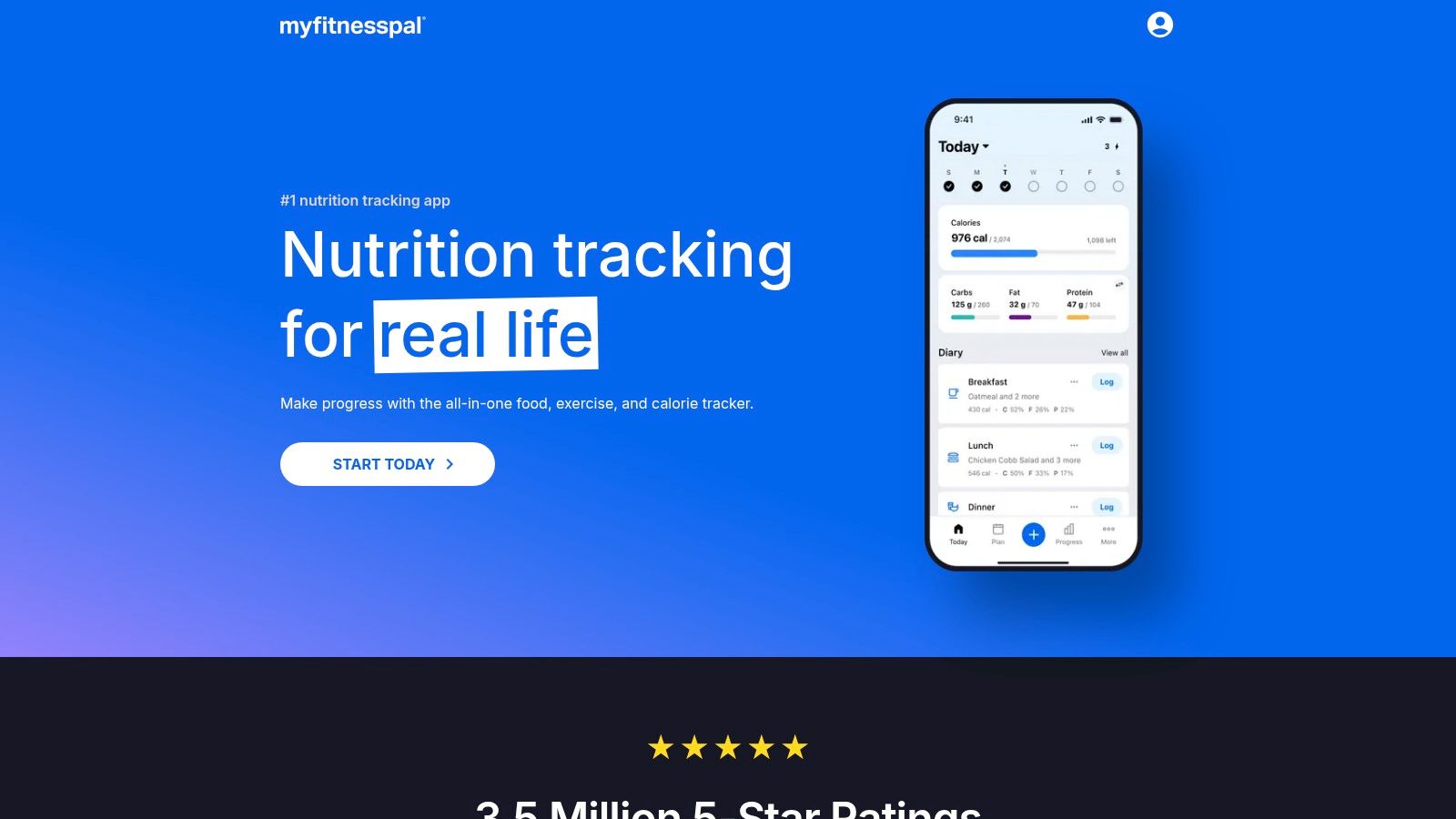
While the free version is robust, the Premium subscription unlocks advanced features like guided meal plans and deeper nutrient analysis. For a detailed comparison with other top apps, see our analysis of Lifesum vs. MyFitnessPal on heartfit.ai. The app integrates with hundreds of other fitness apps and devices, pulling activity data to provide a holistic view of your health.
Website: https://www.myfitnesspal.com
Cronometer excels in precision, making it a standout choice as one of the best apps for a heart-healthy diet for users who prioritize detailed micronutrient data. Its strength lies in its highly accurate, lab-analyzed food database, which tracks up to 84 different nutrients. This level of detail is invaluable for closely monitoring key cardiovascular health indicators like sodium, potassium, fiber, added sugars, and specific types of fats, which the American Heart Association identifies as crucial for managing blood pressure and cholesterol. LDL cholesterol—the "bad" kind—can be influenced by saturated and trans fat intake, which this app tracks meticulously.

The app provides robust charts and customizable nutrient targets, allowing you to align your intake with specific recommendations from your healthcare provider. While the free version is powerful, a Gold subscription offers advanced features like a fasting timer and deeper analytics. For those comparing different tracking tools, you can discover more about the features of a food scanner app on heartfit.ai. The platform is available on both web and mobile, ensuring seamless access to your health data.
Fooducate takes a unique, educational approach, making it an excellent app for a heart-healthy diet by focusing on food quality over simple calorie counting. Its standout feature is the food grading system (A to D), which helps you quickly assess products at the grocery store. By scanning a barcode, the app instantly reveals hidden ingredients like excessive added sugars, sodium, and unhealthy fats, all of which are critical to manage for cardiovascular wellness.
This educational focus helps users build sustainable habits. Instead of just logging a meal, Fooducate explains why a certain food gets a poor grade and often suggests healthier alternatives. This is particularly useful for identifying and reducing intake of processed foods, which the Centers for Disease Control and Prevention (CDC) links to poor heart health outcomes. While many core features are free, a premium subscription unlocks deeper personalization, such as setting specific low-sodium goals.
Website: https://www.fooducate.com
Lifesum stands out with its clean design and focus on structured, goal-oriented programs, making it an excellent choice for a heart-healthy diet app. It offers various meal plans, including a Mediterranean program specifically designed for cardiovascular wellness. This approach simplifies decision-making for users who want clear guidance, providing recipes, grocery lists, and daily meal suggestions that align with recommendations from organizations like the American Heart Association for a cardioprotective diet.
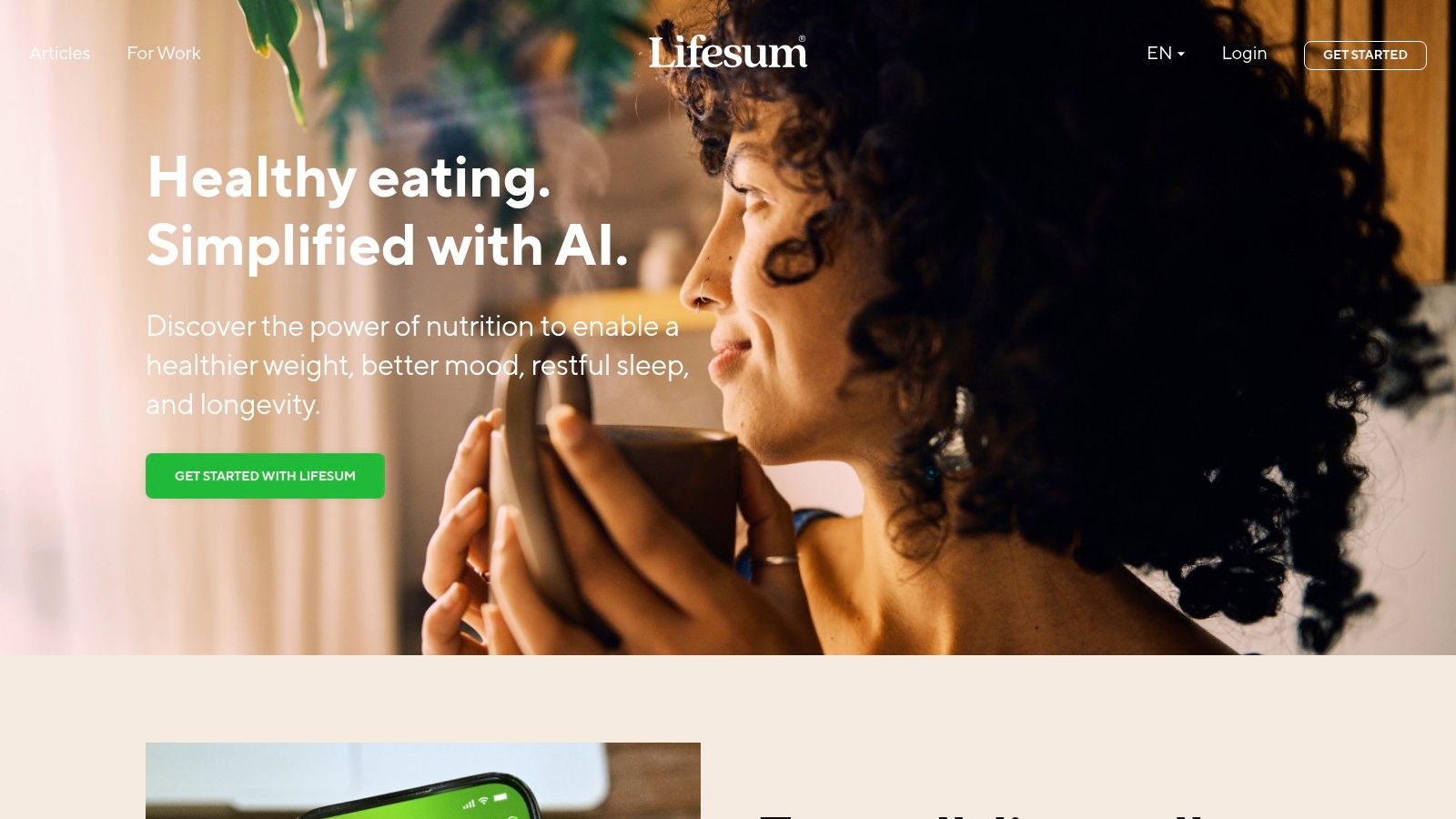
The app combines standard calorie and macro tracking with its guided plans, syncing with health devices to give a complete picture of your daily activity and intake. While the basic tracking features are free, accessing the full meal plans, including the heart-healthy Mediterranean diet, requires a Premium subscription. Its user-friendly interface makes it particularly appealing for those new to diet tracking who might feel overwhelmed by more data-heavy platforms.
Website: https://www.lifesum.com
WW (formerly WeightWatchers) offers a comprehensive program that can be a valuable tool for those seeking the best app for a heart-healthy diet, primarily through its focus on sustainable weight management. While not a cardiology-specific app, its behavior-change framework encourages healthier eating patterns, which are crucial for heart health. The app’s extensive recipe library is filled with options that are often lower in sodium and saturated fats, aligning well with dietary recommendations from the American Heart Association.
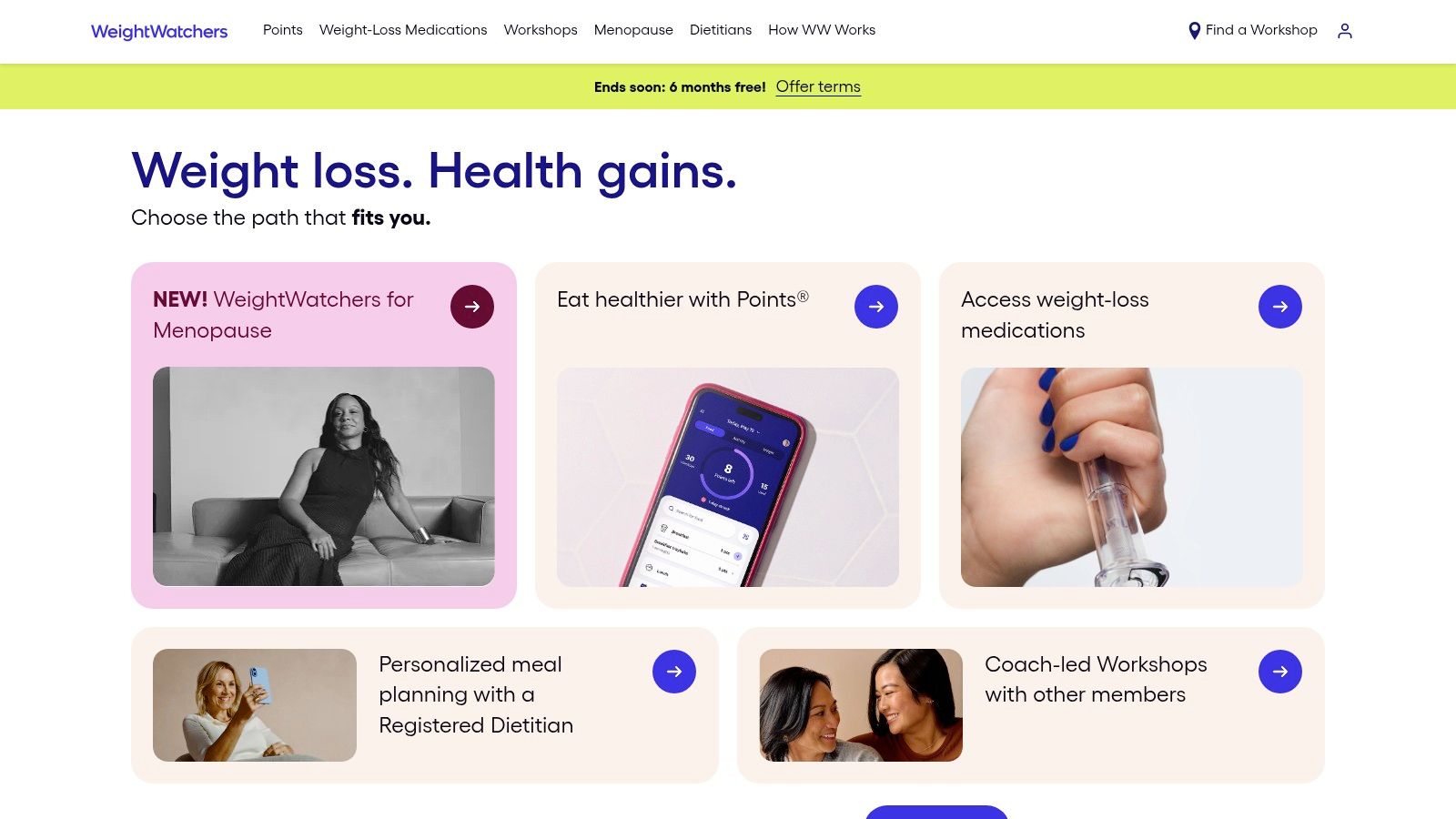
The platform’s strength lies in its strong community and coaching options, which provide accountability and support. Users track food using a simplified points system designed to steer them toward more nutritious choices like fruits, vegetables, and lean proteins. This system inherently promotes a diet conducive to cardiovascular wellness by discouraging processed foods high in unhealthy fats and sugars.
Website: https://www.ww.com
Noom tackles diet from a different angle, using a psychology-based approach to foster sustainable habit change rather than just tracking numbers. While not exclusively a cardiac app, its focus on mindful eating, stress management, and overcoming emotional triggers directly supports heart-healthy lifestyle modifications. Its daily lessons and curriculum help users understand the "why" behind their food choices, which is a powerful tool for long-term adherence to a diet beneficial for cardiovascular health.
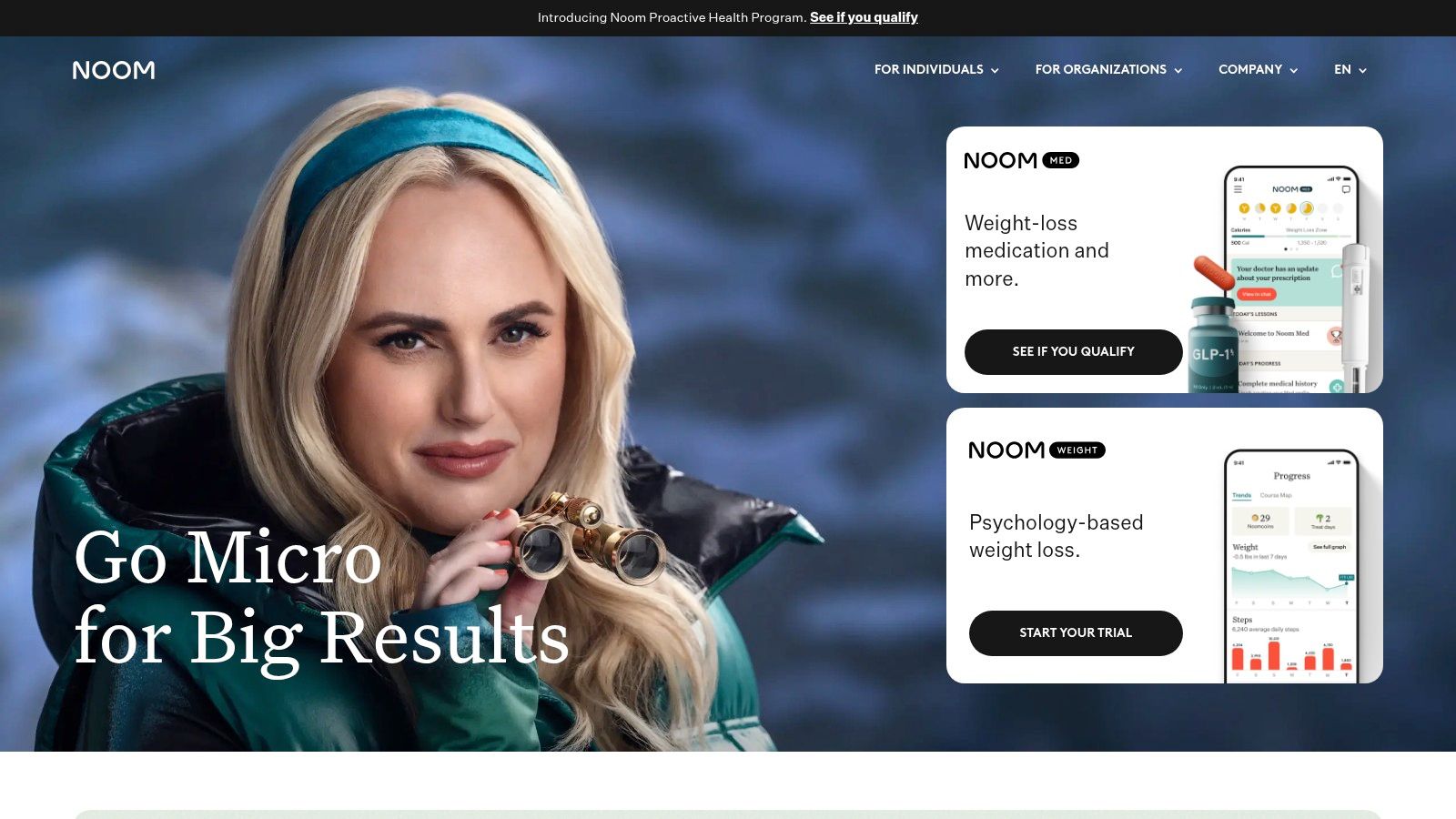
The platform’s food logging system uses a color-coded method (green, yellow, red) to guide users toward more nutrient-dense, less calorie-dense foods, which aligns with American Heart Association dietary recommendations. While the core program is robust, users can add optional coaching and medical programs for more personalized guidance. This makes it a solid candidate for the best app for a heart-healthy diet for those who need to address the behavioral side of eating.
Website: https://www.noom.com
Cardi Health is a dedicated heart-health companion app that earns its place as one of the best apps for a heart-healthy diet due to its specialized focus. Unlike general fitness trackers, its entire ecosystem is built around cardiovascular wellness. The app provides personalized meal plans developed with input from cardiologists and aligned with American Heart Association (AHA) and American College of Cardiology (ACC) guidelines. This direct connection to established medical guidance makes it a trustworthy tool for managing heart health.
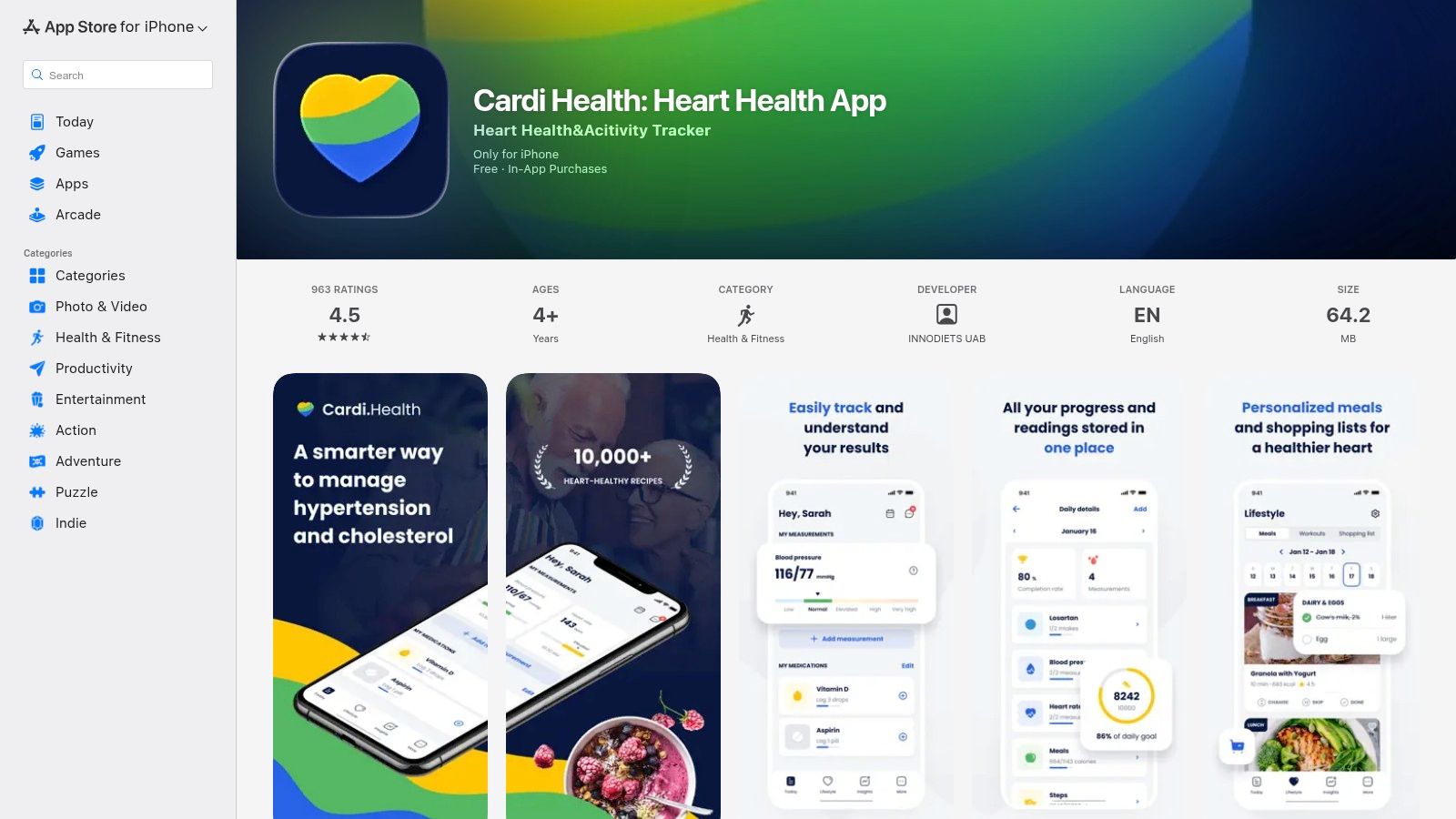
The platform integrates vital tracking features, allowing users to monitor blood pressure and heart rate trends over time. It also includes practical tools like medication reminders and activity tracking, creating a comprehensive dashboard for your cardiovascular health. While the most valuable features require a subscription, the targeted approach and frequent updates make it a compelling option for those serious about dietary management for heart conditions.
Website: https://apps.apple.com/us/app/cardi-health/id1579312844
Hello Heart is a clinically validated cardiovascular program offered through employers and health plans, making it a unique contender for the best app for a heart-healthy diet. Rather than a direct-to-consumer diet logger, it provides a comprehensive digital therapeutic focused on managing blood pressure and cholesterol. The program equips eligible members with a smart blood pressure cuff and an app that delivers personalized coaching, medication reminders, and actionable tips based on real-time readings.
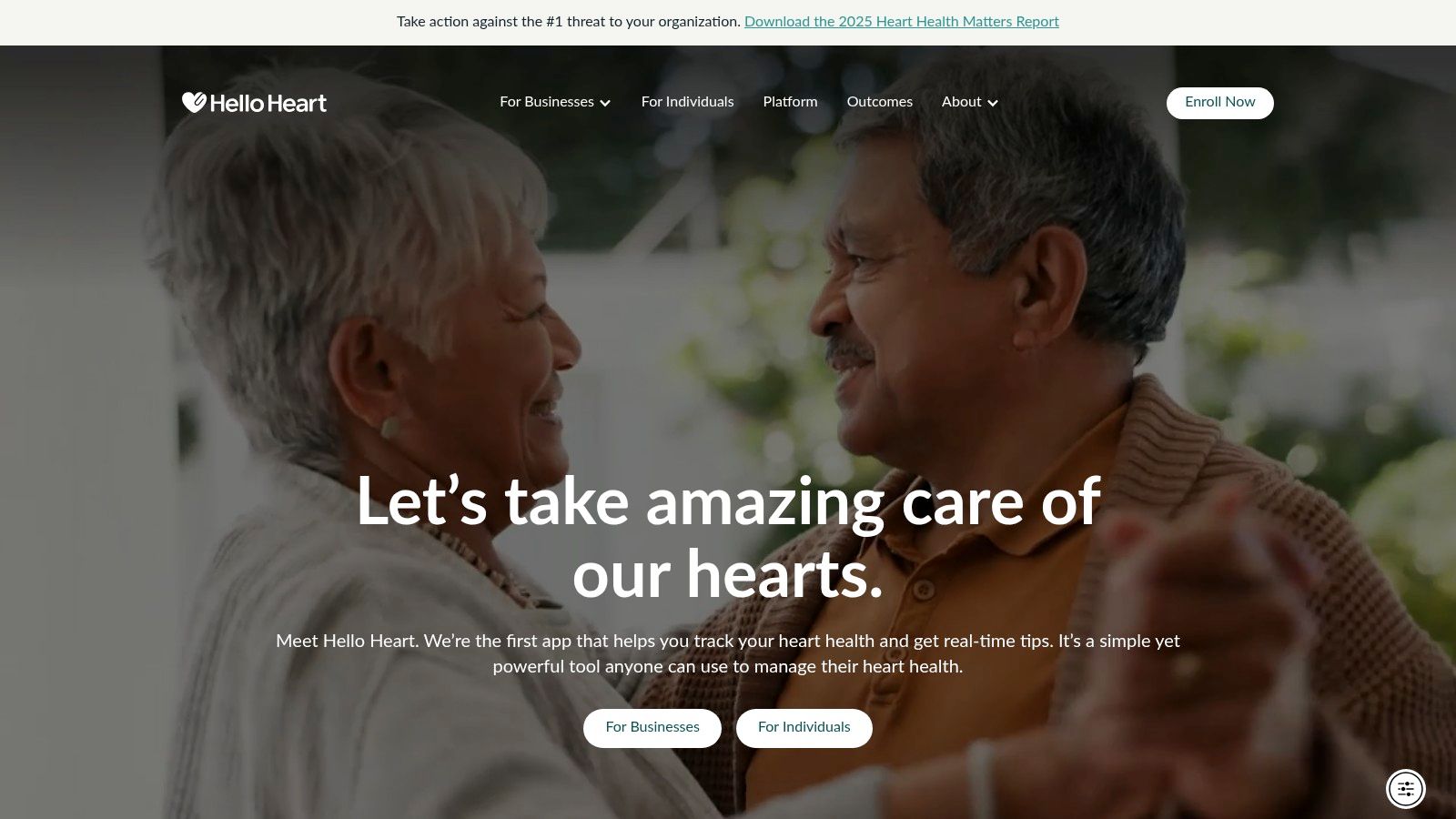
The app’s value lies in its integration into the healthcare ecosystem, providing a frictionless, no-cost experience for users whose employers or insurance providers offer it. Its focus extends beyond just diet to encompass overall cardiovascular wellness, including medication adherence and consistent monitoring. Published, peer-reviewed studies have demonstrated its effectiveness in helping users lower their blood pressure, adding a layer of clinical validation not seen in all wellness apps. According to a 2022 study published in JAMA Network Open, users of the Hello Heart program showed significant reductions in systolic blood pressure. This makes it a powerful, evidence-based tool for those who have access.
Website: https://www.helloheart.com
For those seeking a straightforward, government-backed approach, Start Simple with MyPlate is a standout option for a heart-healthy diet. Developed by the USDA, this free app bypasses complex calorie and macronutrient tracking. Instead, it focuses on building balanced eating habits by encouraging users to meet daily goals for the five core food groups: fruits, vegetables, grains, protein, and dairy. This aligns directly with dietary patterns recommended by the American Heart Association for cardiovascular health.
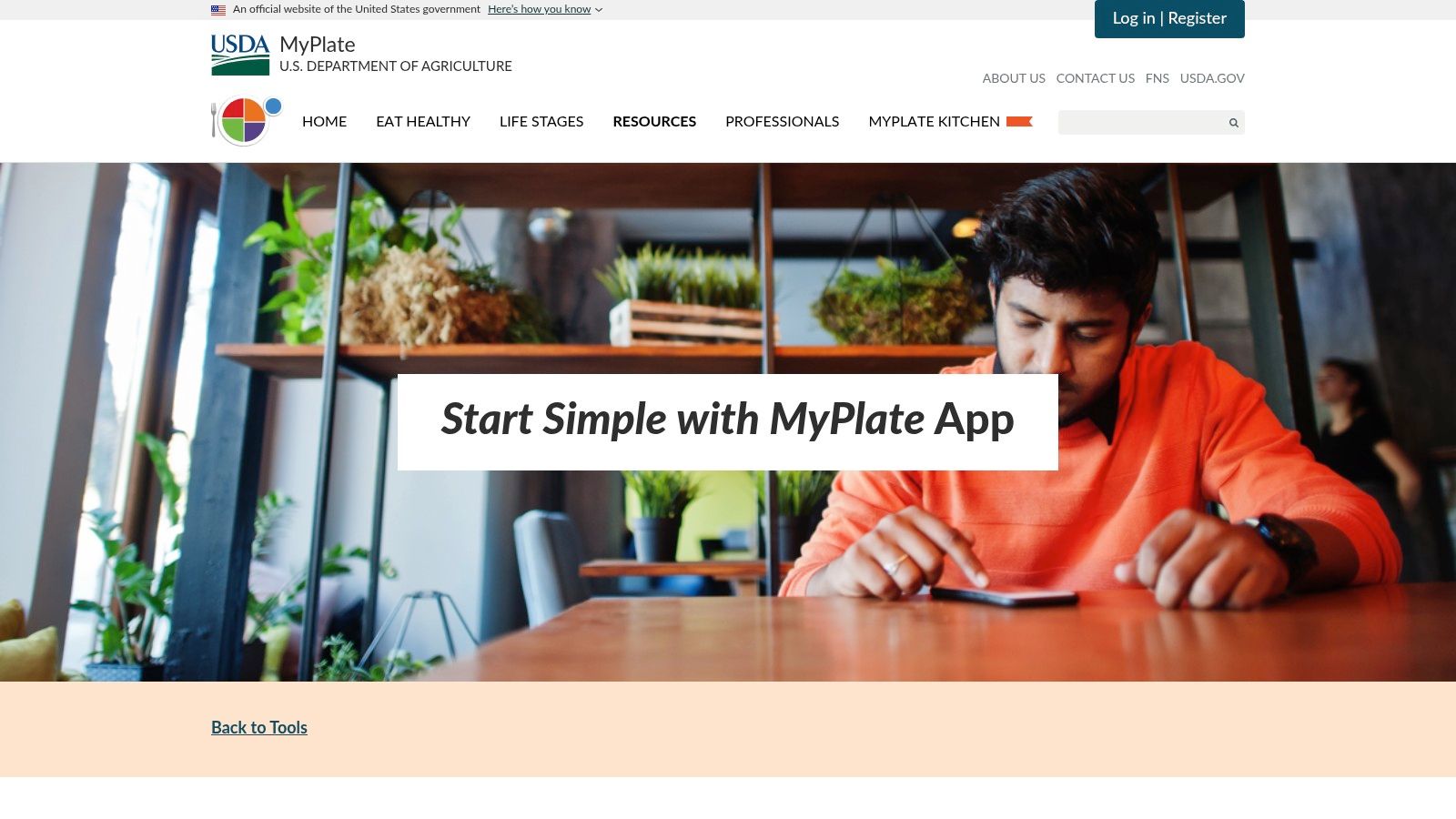
The app's simplicity is its greatest strength. It offers clear progress charts and motivational streaks to keep you engaged. Users can also sync their data across devices and access a library of healthy recipes from the MyPlate Kitchen. While it doesn't track specific nutrients like sodium or saturated fat, it excels at teaching the foundational principles of a balanced diet, making it a great starting point for beginners.
Website: https://www.myplate.gov/startsimpleapp
For users specifically looking to lower blood pressure, the DASH Diet Plan & Food Tracker offers a highly focused approach. This app is built entirely around the Dietary Approaches to Stop Hypertension (DASH) diet, a pattern consistently recommended by the National Heart, Lung, and Blood Institute (NHLBI) for its proven cardiovascular benefits. It provides structured, DASH-aligned meal plans, recipes, and shopping lists, removing the guesswork often associated with starting a new eating plan.
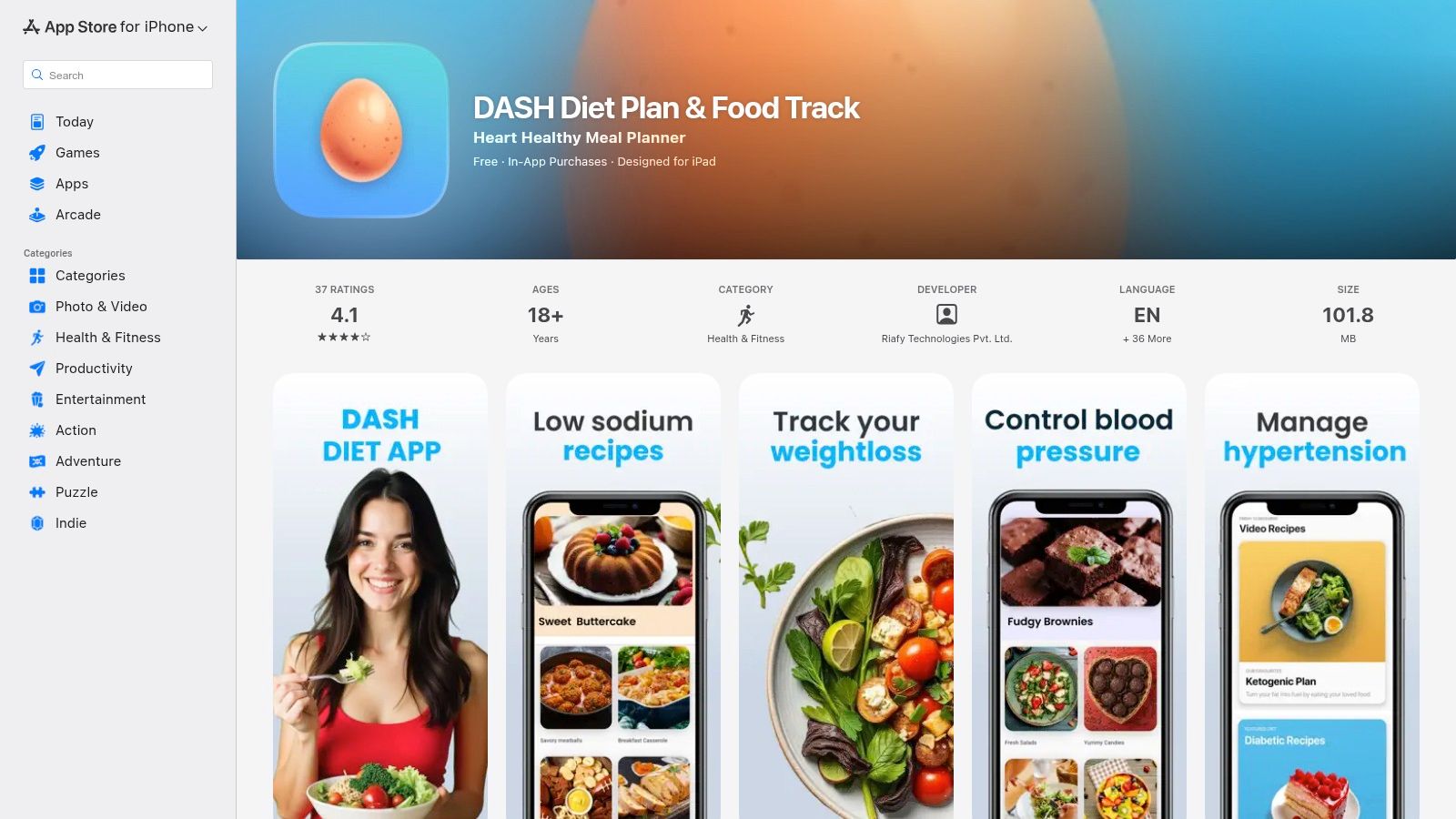
This niche focus makes it an excellent tool for those diagnosed with hypertension or seeking a preventative strategy. By providing educational content on DASH principles alongside practical planning tools, it empowers users to implement one of the most studied dietary patterns for heart health. While it offers a targeted solution, users should note its limited availability and that premium features typically require a subscription to unlock its full potential.
Website: https://apps.apple.com/us/app/dash-diet-plan-food-track/id1551592462
For those looking to adopt one of the most evidence-backed eating patterns for cardiovascular health, the Mediterranean Diet & Meal Plan app offers a straightforward entry point. It focuses exclusively on the Mediterranean diet, which is consistently recommended by the American Heart Association for its benefits. The app simplifies this lifestyle change by providing weekly meal plans, complete with recipes and organized grocery lists, removing the guesswork from heart-healthy cooking.
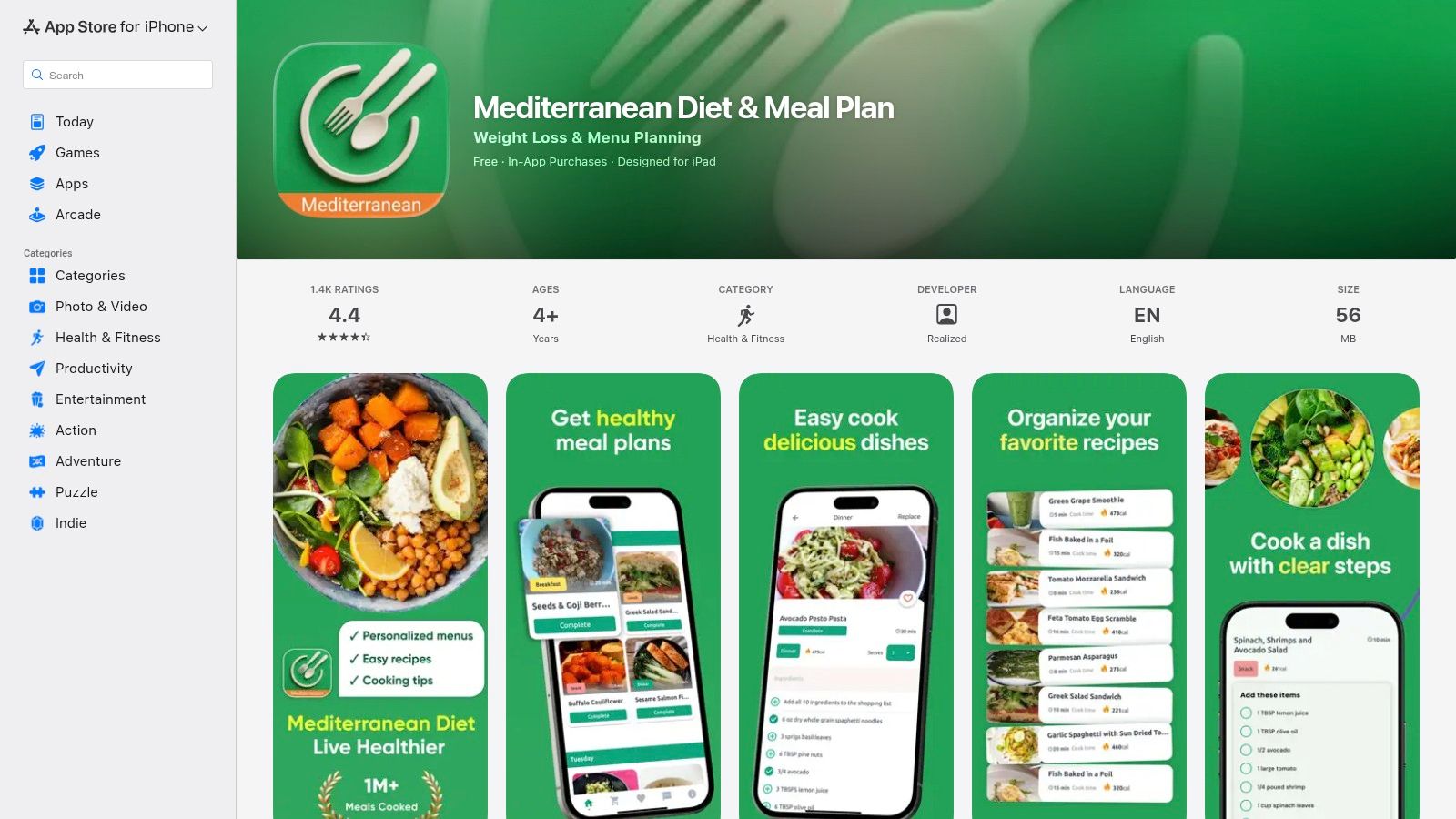
This app stands out by focusing on a single, proven dietary model rather than general calorie counting, making it an excellent tool for users who value simplicity and evidence-based guidance. While its core function is meal planning, the included recipes come with nutritional details, helping you understand the composition of your meals. Full access to all meal plans and features requires a premium subscription, and the app is currently only available for iOS users.
Website: https://apps.apple.com/us/app/mediterranean-diet-meal-plan/id797221304
Choosing the right app is a personal decision based on your specific health needs and preferences. For instance, eating more fiber helps lower cholesterol by binding to it in the digestive system and removing it from the body. An app like Cronometer can help you track this specific nutrient, while an app like Heart Fit can help you build the habit of eating high-fiber foods your doctor recommends.
What's a normal resting heart rate?
For most adults, a normal resting heart rate ranges from 60 to 100 beats per minute (bpm). However, athletes may have a resting heart rate as low as 40 bpm. Factors like stress, medication, and activity level can affect it. You can find more information at the Mayo Clinic.
How does diet impact cholesterol?
Dietary fats, especially saturated and trans fats found in processed foods and red meat, can raise your LDL (low-density lipoprotein) cholesterol—the "bad" kind. Conversely, soluble fiber (found in oats, apples, and beans) and unsaturated fats (found in avocados and nuts) can help lower it.
Is sodium really that bad for your heart?
Excess sodium can cause your body to retain water, which increases blood volume and makes your heart work harder, potentially raising blood pressure. The American Heart Association recommends no more than 2,300 milligrams (mg) a day and an ideal limit of no more than 1,500 mg per day for most adults.
Navigating the landscape of digital health tools can feel overwhelming, but finding the best app for a heart-healthy diet is a significant step toward taking control of your cardiovascular wellness. We've explored a dozen powerful applications, each with a unique approach to nutrition and lifestyle management. The key takeaway is that technology can be a formidable ally in your health journey, offering everything from detailed nutrient tracking to AI-driven coaching.
The most effective tool is not a one-size-fits-all solution; it's the one that aligns with your specific goals, medical needs, and personal preferences. As underscored by a 2019 meta-analysis published in JMIR mHealth and uHealth, consistent user engagement is the critical factor that turns a digital app into a successful health intervention. The right app for you is the one you will actually use every day.
Before you commit, take a moment to reflect on your primary objective. This will help you filter through the options and make a confident choice.
Once you've made your selection, the next step is integration. Remember that these apps are powerful aids, not replacements for professional medical care.
Your journey to a healthier heart is a marathon, not a sprint. The right digital tool can serve as your pacer, your coach, and your biggest supporter along the way. Choose wisely, engage consistently, and take pride in every positive step you make.
Ready to move beyond generic tracking and get a plan built specifically for your heart? Heart Fit uses your actual bloodwork to create an AI-powered, personalized nutrition and habit plan. Take the guesswork out of your heart-healthy diet and start seeing results that matter by visiting Heart Fit to learn more.
Download HeartFit.ai and start your 66-day journey today.



Join the #hearthealth crowd who are leveling up their heart health with HeartFit.ai